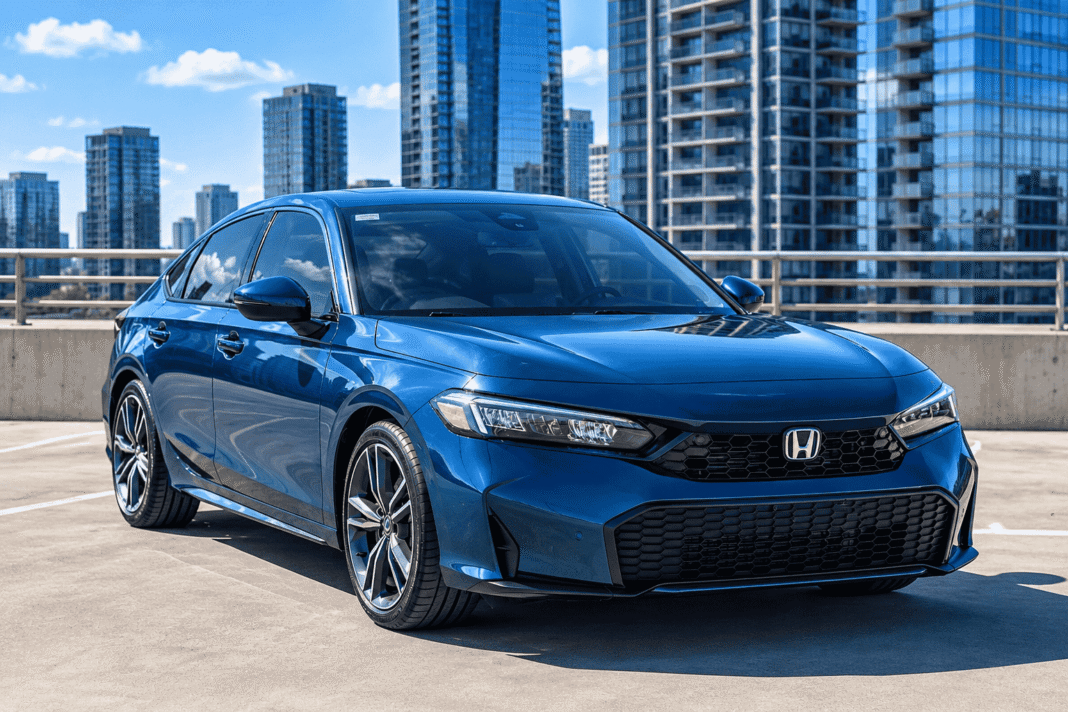
The 2026 Honda Civic e takes a different approach to the small hybrid market. Rather than focusing exclusively on fuel consumption, Honda has combined its petrol-electric technology with a more powerful drivetrain, a well-equipped interior and a chassis designed to make everyday driving more engaging. The result is a hatchback that aims to deliver the efficiency expected from a hybrid without losing the qualities that have made the Civic popular with drivers for decades.
Under the bonnet, a 2.0-litre petrol engine works alongside two electric motors to produce a combined 135kW and 315Nm. Honda claims fuel consumption of 4.2L/100km, while the five-door body provides seating for five and a useful 409-litre boot. These figures make the Civic a practical proposition for commuting and longer journeys, although its price places it firmly towards the expensive end of Australia’s small-car market.
The Civic e L starts at $49,900, with the higher-specification Civic e LX priced at $55,900. That is a substantial investment compared with alternatives such as the Toyota Corolla Hatch Hybrid and Hyundai i30 Sedan Hybrid. Honda is offering additional incentives on eligible 2026-built vehicles, including five free scheduled services and a $1,000 eGift Card for qualifying Civic purchases. These offers improve the overall deal, but they do not change the central question: is the Civic good enough to justify paying considerably more than some of its competitors?
2026 Honda Civic e Pricing and Rivals
Honda Australia offers the 2026 Civic e in two five-door hatchback grades. The Civic e L is priced from $49,900, while the Civic e LX costs $55,900. Both versions use the same hybrid powertrain and deliver identical official fuel consumption figures, so the $6,000 difference comes down to equipment rather than additional performance or improved efficiency.
The Civic faces strong competition at these prices. Toyota’s Corolla Hatch Ascent Sport Hybrid has an official combined fuel consumption rating of 4.0L/100km, slightly better than Honda’s 4.2L/100km figure. Hyundai’s i30 Sedan Hybrid goes further, with claimed consumption of 3.9L/100km. Hyundai is also advertising a $34,990 drive-away offer through participating dealers for eligible new-stock vehicles ordered and delivered between October 1 and December 31, 2026, subject to availability and other conditions. Although the Hyundai has a different body style, the price difference is difficult to ignore.
Buyers who do not necessarily need hybrid technology may also consider the Mazda3 Hatch G20 Pure, which has a manufacturer’s list price of $31,910 before on-road costs. It uses a conventional petrol engine, so it is not directly comparable in terms of technology or fuel consumption, but it provides another indication of how much more expensive the Honda is. The Civic therefore needs to offer something beyond low running costs to make financial sense, particularly for buyers who plan to keep their car for several years.
Interior Quality, Comfort and Practicality
The Civic’s cabin is one of the areas where Honda makes a convincing case for its higher price. The dashboard has a restrained design, with a clean layout and physical controls for frequently used functions. It feels more focused on everyday usability than on filling the interior with screens and complicated menus. A 9.0-inch infotainment touchscreen is paired with a 10.2-inch digital instrument display, while Google built-in provides integrated connectivity. Wireless Apple CarPlay and Android Auto are also supported, allowing compatible smartphones to connect without a cable.

Equipment levels are generous even in the entry-level Civic e L. Both grades receive a 12-speaker Bose premium sound system with a subwoofer, heated front seats, a heated steering wheel, dual-zone climate control, rear air vents and USB-C charging ports. The driver’s seat in the L is manually adjustable, while the more expensive LX adds a panoramic sunroof, black leather-appointed upholstery, an eight-way power-adjustable driver’s seat, wireless phone charging and an auto-dimming rear-view mirror. These additions give the LX a more luxurious feel, but they do not alter the car’s mechanical specification.
For many buyers, the Civic e L should be more than adequately equipped. The LX makes more sense for those who particularly value its additional comfort features, although the $6,000 premium is considerable when the two versions share the same engine, performance and fuel economy.
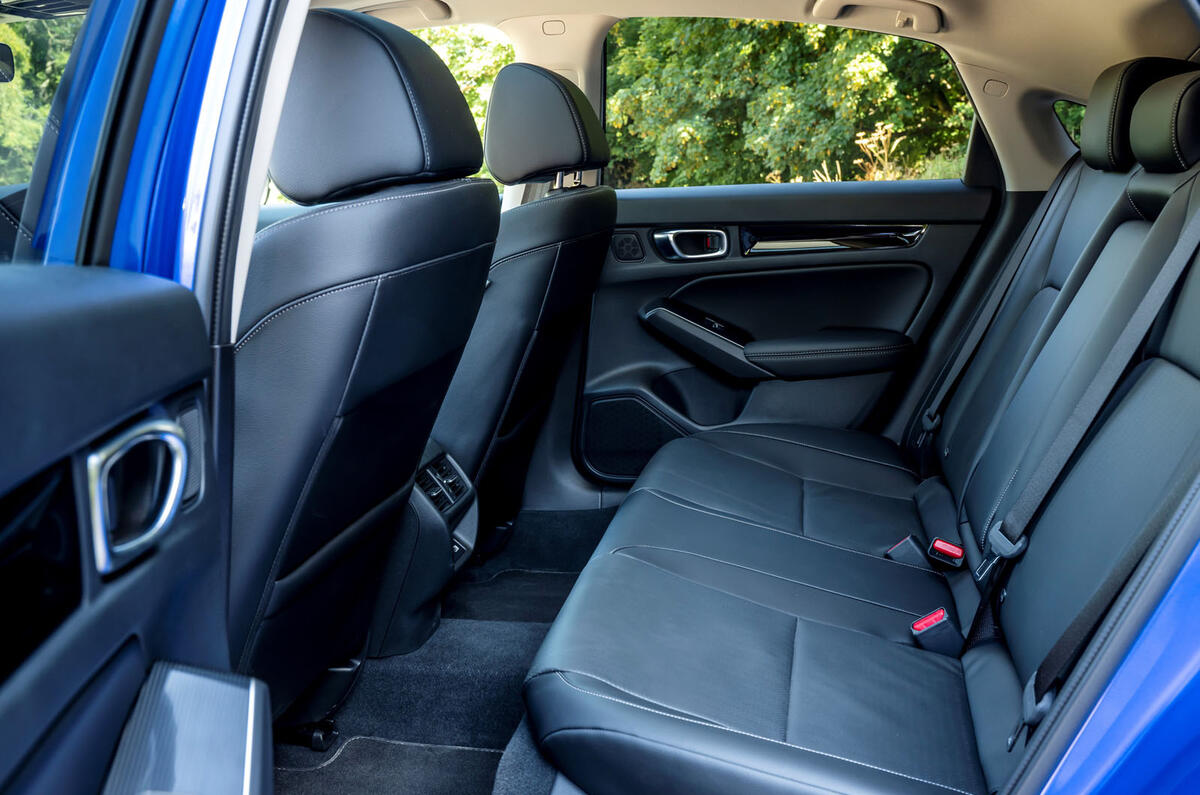
Passenger accommodation is another part of the Civic’s appeal. Its 2,735mm wheelbase helps provide useful rear-seat space, and two adults should find the back comfortable enough for everyday journeys and longer trips. The middle rear position is less accommodating because of the raised floor area, but rear passengers still benefit from air vents, charging connections, door storage and a fold-down centre armrest with cupholders. These details make the Civic a practical choice for households that regularly carry passengers rather than a hatchback designed solely around the driver.
The boot offers 409 litres of luggage capacity with the rear seats in place, according to published specifications. Its wide opening makes loading shopping bags and suitcases relatively straightforward, although there are a couple of compromises. The load floor is not completely flat when the rear seats are folded, and Honda supplies a tyre repair kit instead of a conventional spare wheel. Drivers who regularly travel long distances or carry bulky equipment should consider whether that arrangement is suitable for their needs.
Engine, Hybrid Technology and Fuel Consumption
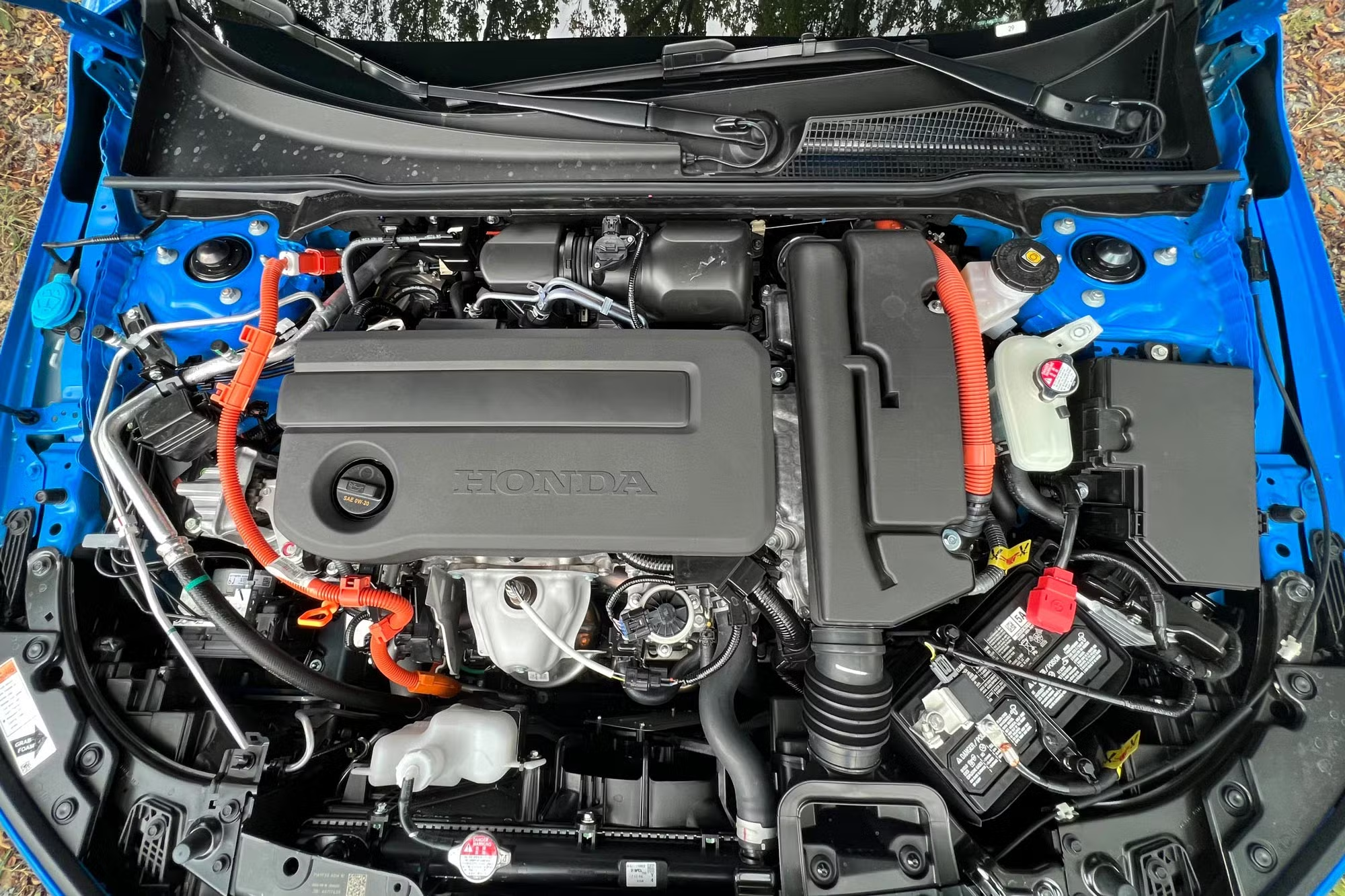
Power comes from a 2.0-litre four-cylinder Atkinson-cycle petrol engine paired with two electric motors and a 1.05kWh lithium-ion battery. The petrol engine produces 105kW and 186Nm, while the combined hybrid system delivers 135kW and 315Nm. Power is sent to the front wheels through an electronic continuously variable transmission, or E-CVT, which manages the interaction between the petrol engine and electric motors according to driving conditions.
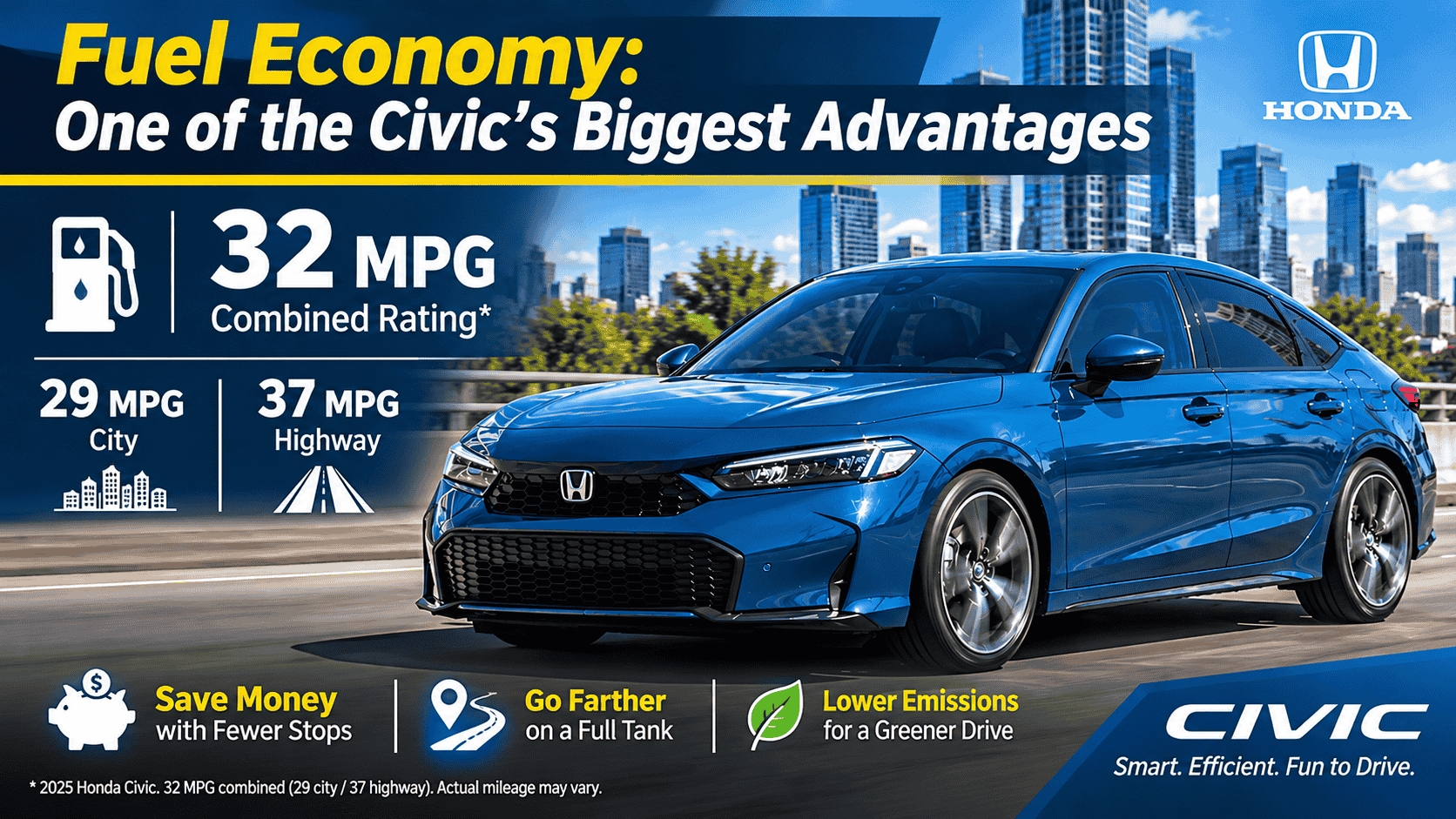
Unlike a plug-in hybrid, the Civic does not need to be connected to an external charging point. Its battery is replenished through the hybrid system and regenerative braking, so drivers can benefit from electric assistance without changing their usual refuelling routine. Honda quotes combined fuel consumption of 4.2L/100km, and the car runs on regular 91 RON unleaded petrol rather than requiring premium fuel.
Independent testing provides a useful comparison with the official figure. CarExpert recorded average consumption of 4.6L/100km during a 258km mixed-driving test. That result reflects the publication’s particular route and conditions, so it should be treated as an independent test result rather than a figure every owner can expect to achieve. Driving style, traffic, weather and journey length can all affect real-world consumption.
The Civic is economical, but it is not the most efficient car in this comparison. Toyota quotes 4.0L/100km for the Corolla Hatch Ascent Sport Hybrid, while Hyundai lists 3.9L/100km for the i30 Sedan Hybrid. The differences are relatively small in everyday use. At 15,000km per year, a car averaging 4.2L/100km would use around 30 litres more fuel than one averaging 4.0L/100km. Compared with a vehicle returning 3.9L/100km, the difference would be approximately 45 litres. At an assumed petrol price of $1.80 per litre, that amounts to about $54 or $81 annually, respectively. These are illustrative calculations, not guaranteed savings, and actual costs will depend on fuel prices and driving conditions.
This puts the Civic’s hybrid system into perspective. Its strongest argument is not that it will dramatically reduce fuel bills compared with every rival, but that it combines respectable efficiency with stronger system output and a more performance-oriented driving experience.
Driving Experience and Performance
On the road, the Civic e feels more responsive than its economy-focused positioning might suggest. Electric assistance provides immediate response when pulling away from a standstill and helps deliver smooth acceleration in urban traffic. The transition between electric and petrol power is generally unobtrusive, allowing the hybrid system to operate without demanding much attention from the driver.
Honda has also given the Civic a chassis that places some emphasis on driving enjoyment. The steering is direct, and the suspension helps the car remain composed through corners. Its front-wheel-drive layout gives it familiar handling characteristics, while the overall setup feels more involving than that of a small car developed primarily to achieve the lowest possible fuel consumption.
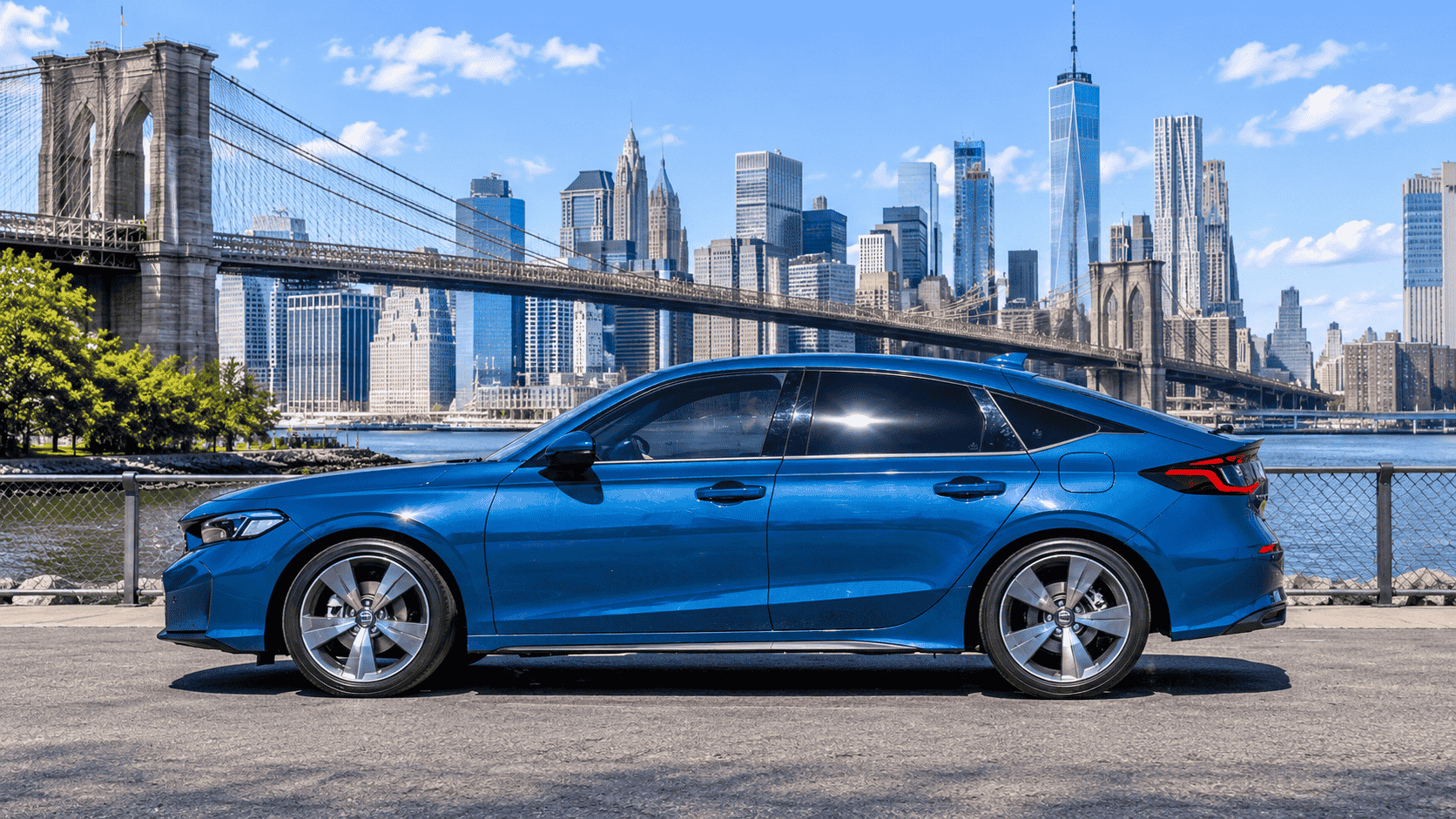
The E-CVT transmission does not work like a conventional automatic with fixed gear ratios. Honda’s system can simulate gear changes to make acceleration feel more familiar, while selectable driving modes adjust the car’s responses. Sport mode sharpens the experience when quicker reactions are required. Honda does not publish an official 0–100km/h acceleration time for the Australian Civic e, although CarExpert recorded 7.3 seconds during its instrumented testing. That figure should be attributed to the independent test rather than presented as an official Honda claim.
The firmer driving character does have a downside. CarExpert reported noticeable road noise from the performance tyres, particularly at higher speeds, and the suspension can communicate more road imperfections into the cabin than a softer, comfort-focused hatchback. Drivers who enjoy responsive handling may appreciate the setup, but those who spend most of their time on rough roads or prioritise a particularly quiet ride should take a test drive before making a decision.
Technology and Safety Equipment
The standard equipment list is another area in which the Civic makes a strong impression. The e L comes with 18-inch alloy wheels, LED headlights, heated and power-folding mirrors, automatic wipers, rear privacy glass, keyless entry and push-button start. Inside, the digital instrument display, touchscreen infotainment system, Google built-in, smartphone connectivity and Bose audio system are all included, alongside heated front seats, a heated steering wheel and dual-zone climate control. The LX adds its panoramic sunroof, wireless phone charger, auto-dimming rear-view mirror and powered driver’s seat.
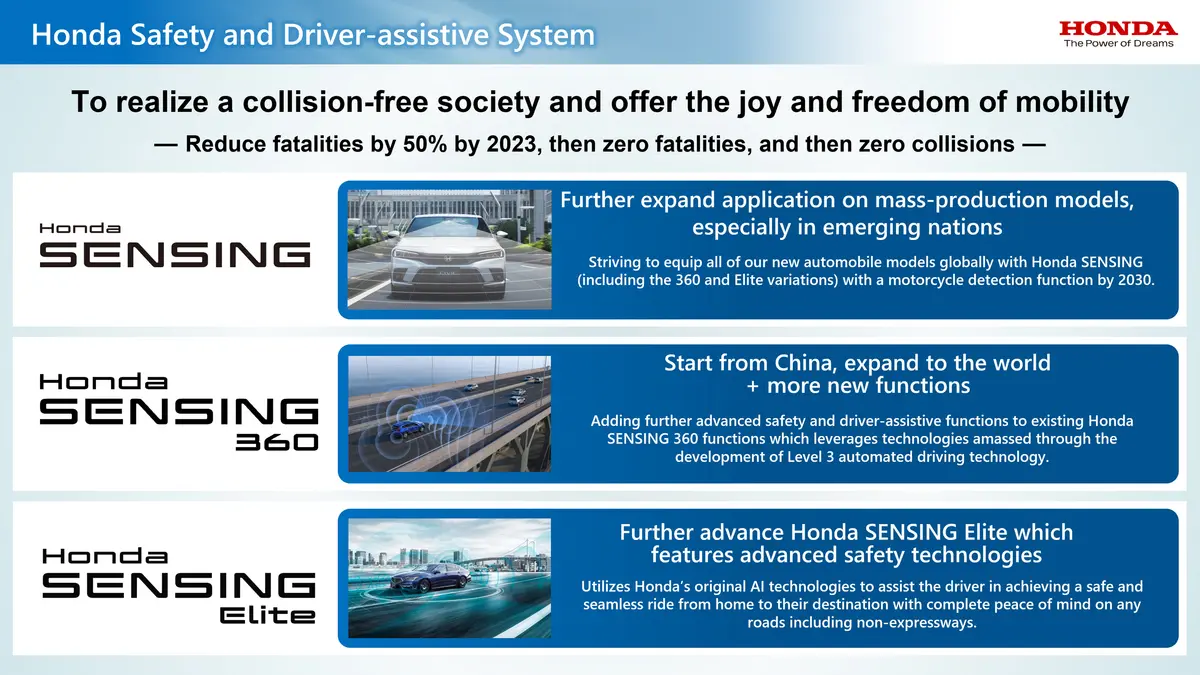
There are, however, a few omissions that buyers might notice in a car costing close to $50,000 or more. The Civic does not offer a head-up display or a 360-degree surround-view camera system, features that may be available on some competing models. Honda Connect provides additional connected-car functions, but the complimentary subscription period for Civic models from 2025 onwards is three years. Continued access to subscription-based services may require payment after the complimentary period, depending on the service and applicable terms.
The Australian-market Civic hybrid has a five-star ANCAP safety rating based on testing conducted in 2022. The rating applies to hybrid variants and is listed as expiring in December 2028, so it should not be mistaken for a new crash test carried out specifically for the 2026 model year. ANCAP’s published scores are 89 per cent for adult occupant protection, 89 per cent for child occupant protection, 82 per cent for vulnerable road user protection and 83 per cent for safety assist.
Honda also provides 11 airbags and a range of driver-assistance technologies, including autonomous emergency braking, adaptive cruise control, lane-keeping assistance, lane departure warning, blind-spot monitoring, rear cross-traffic alert, front and rear parking sensors, traffic sign recognition and Traffic Jam Assist. These systems can be useful in congested traffic and on longer journeys, although they remain assistance features and do not replace the driver’s responsibility to pay attention and maintain control of the vehicle.
Servicing, Warranty and Current Honda Offers
Ownership costs deserve attention because the Civic’s purchase price is higher than that of several alternatives. Honda provides a five-year, unlimited-kilometre new-vehicle warranty for private use, together with five years of Premium Roadside Assist. Different kilometre limits apply to vehicles used commercially, in accordance with Honda’s warranty conditions. The recommended service schedule is every 12 months or 10,000km, whichever comes first, and owners should follow the maintenance requirements in the vehicle’s Owner’s Warranty and Service Manual.
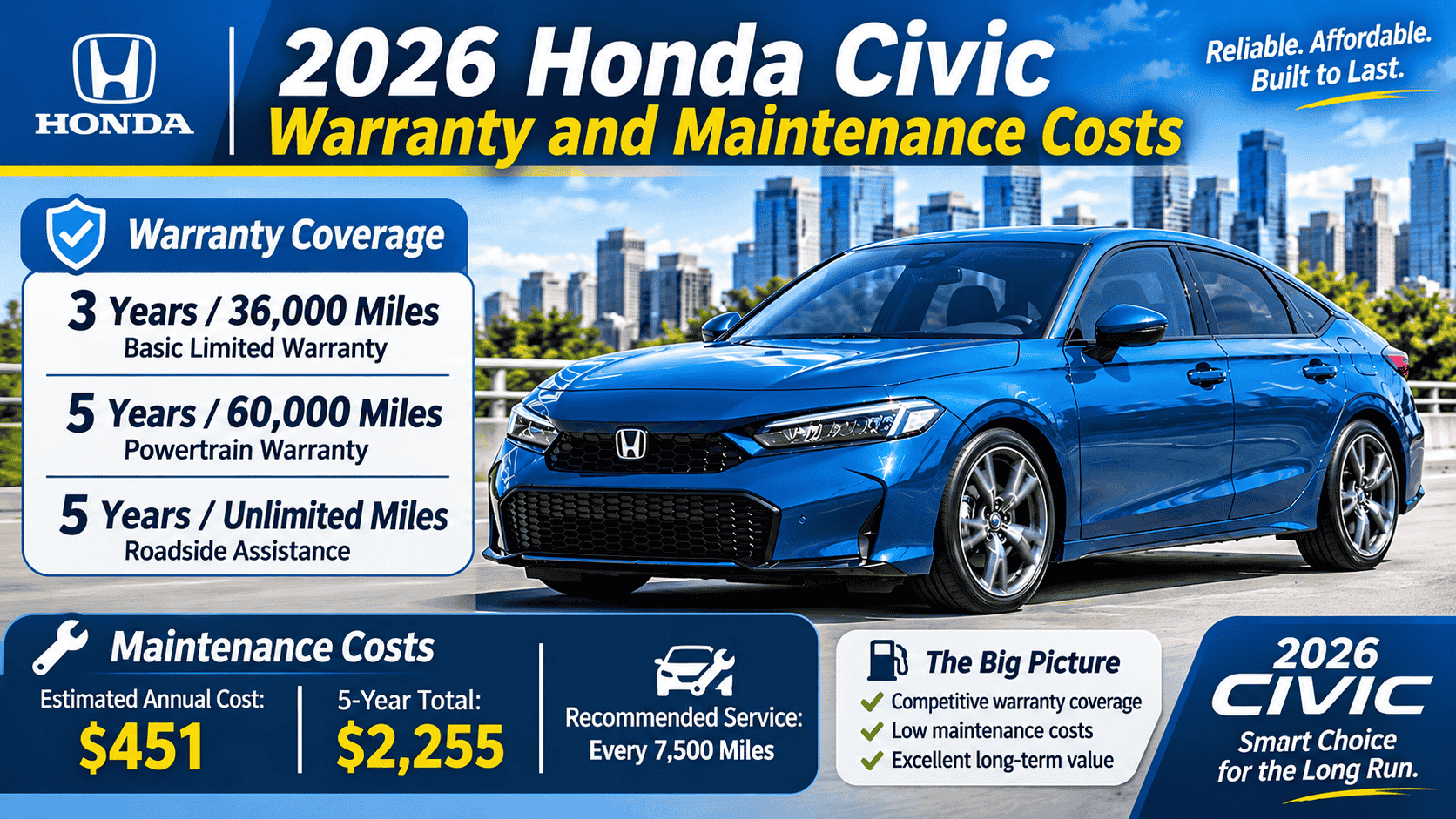
Honda’s low-price servicing program sets the first five standard scheduled services at $279 each for eligible new petrol and hybrid vehicles purchased on or after October 1, 2026. That represents $1,395 across five services. The program covers the standard scheduled work specified by Honda, while additional maintenance and wear-related items, including tyres and brake pads, are excluded.
There is also a separate Plate Clearance promotion offering five free standard scheduled services on eligible 2026-built Honda vehicles, including the Civic e L and Civic e LX. Under the published offer terms, qualifying purchase contracts must be signed between November 1, 2026 and January 31, 2027. The promotion is subject to eligibility requirements and exclusions, so buyers should confirm that their chosen vehicle and contract qualify before completing the purchase.
Honda is also offering a $1,000 eGift Card to buyers of eligible 2026-built Civic e L and Civic e LX models. This promotion applies to qualifying contracts signed between November 1, 2026 and January 31, 2027, while stocks last. The eGift Card is issued within 30 days of vehicle delivery, cannot be exchanged for cash and cannot be combined with a Honda Financial Services finance offer. Buyers should check the full promotional conditions with Honda before relying on either incentive.
The hybrid battery warranty is separate from the general vehicle warranty. Honda’s published information states that the hybrid battery warranty remains eight years and is not extended through the Honda Extend program. Honda’s separate eight-year or 160,000km high-voltage battery capacity warranty applies to battery-electric vehicles; it should not be presented as a confirmed capacity guarantee for the Civic hybrid. Honda Extend can provide up to three additional years of vehicle warranty and roadside assistance, potentially taking the total coverage period to eight years, subject to eligibility and servicing requirements. This extension does not increase the Civic e’s hybrid battery warranty.
How the Civic Compares With Its Main Rivals
The Toyota Corolla Hatch Hybrid is one of the Civic’s closest alternatives. It offers the same general hatchback format and a slightly lower official combined fuel consumption figure of 4.0L/100km. For buyers who value efficiency and a more accessible purchase price, the Corolla deserves serious consideration. The Honda counters with higher combined system output and a stronger emphasis on driving involvement, although individual preferences and equipment levels will play an important part in the decision.
Hyundai’s i30 Sedan Hybrid is particularly competitive on price. Its official combined consumption figure is 3.9L/100km, and the advertised $34,990 drive-away offer makes it an attractive option for buyers looking to keep their initial spending down. However, the Hyundai is a sedan rather than a hatchback, so luggage access and body style are different. It is worth comparing the two in person, particularly if the car will regularly carry passengers or larger items.
The Mazda3 Hatch G20 Pure is a less expensive alternative for those who do not need hybrid technology. Its manufacturer’s list price is $31,910 before on-road costs, but it uses a conventional petrol engine. That makes it a different proposition, and buyers should consider expected fuel use alongside the lower initial price rather than comparing the purchase figures alone.
There is no clear winner in every category. Toyota and Hyundai have lower official fuel consumption figures, while Mazda offers a lower entry price. The Civic’s case rests on the combination of its 135kW hybrid system, 409-litre boot, extensive equipment and more engaging driving character. Whether those advantages are worth the additional money will depend on what the buyer values most.
Is the 2026 Honda Civic e Worth Buying?
The 2026 Honda Civic e is a well-rounded hybrid hatchback, but it is not an obvious choice for buyers whose only priority is spending as little as possible. Its hybrid system delivers strong output alongside respectable fuel economy, the cabin is generously equipped and the 409-litre boot gives it the practicality expected from a family-friendly hatchback. It also retains a more involving driving character than some hybrids that focus almost entirely on efficiency.
The main concern is the price. At $49,900 before applicable on-road costs, the Civic e L costs considerably more than several competing small cars and hybrid alternatives. Its fuel consumption is competitive, but not class-leading, and the modest annual fuel savings against some rivals are unlikely to recover the price difference on their own.
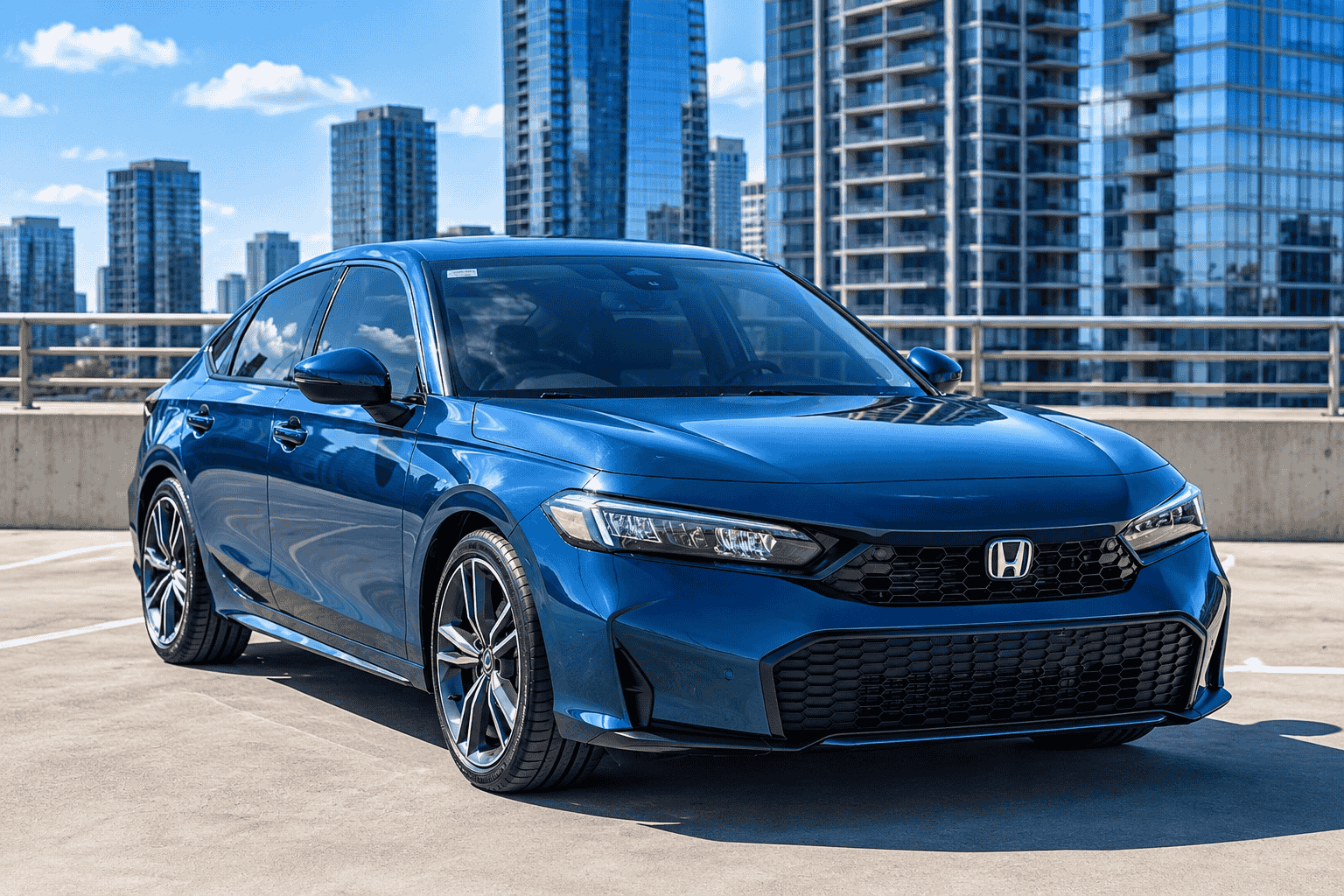
For most buyers, the Civic e L is the more sensible version. It shares the same powertrain, performance and official fuel consumption as the LX while retaining much of the equipment that makes the Civic attractive. The e LX is worth considering for those who specifically want the panoramic sunroof, leather-appointed seats, powered driver’s seat and wireless charging, but those features are not essential to the car’s main appeal.
Honda’s five-free-service promotion and $1,000 eGift Card improve the deal for buyers who meet the eligibility requirements. They reduce some ownership costs and provide an additional reason to consider purchasing during the promotional period, although they do not remove the substantial difference between the Civic and some of its less expensive competitors.
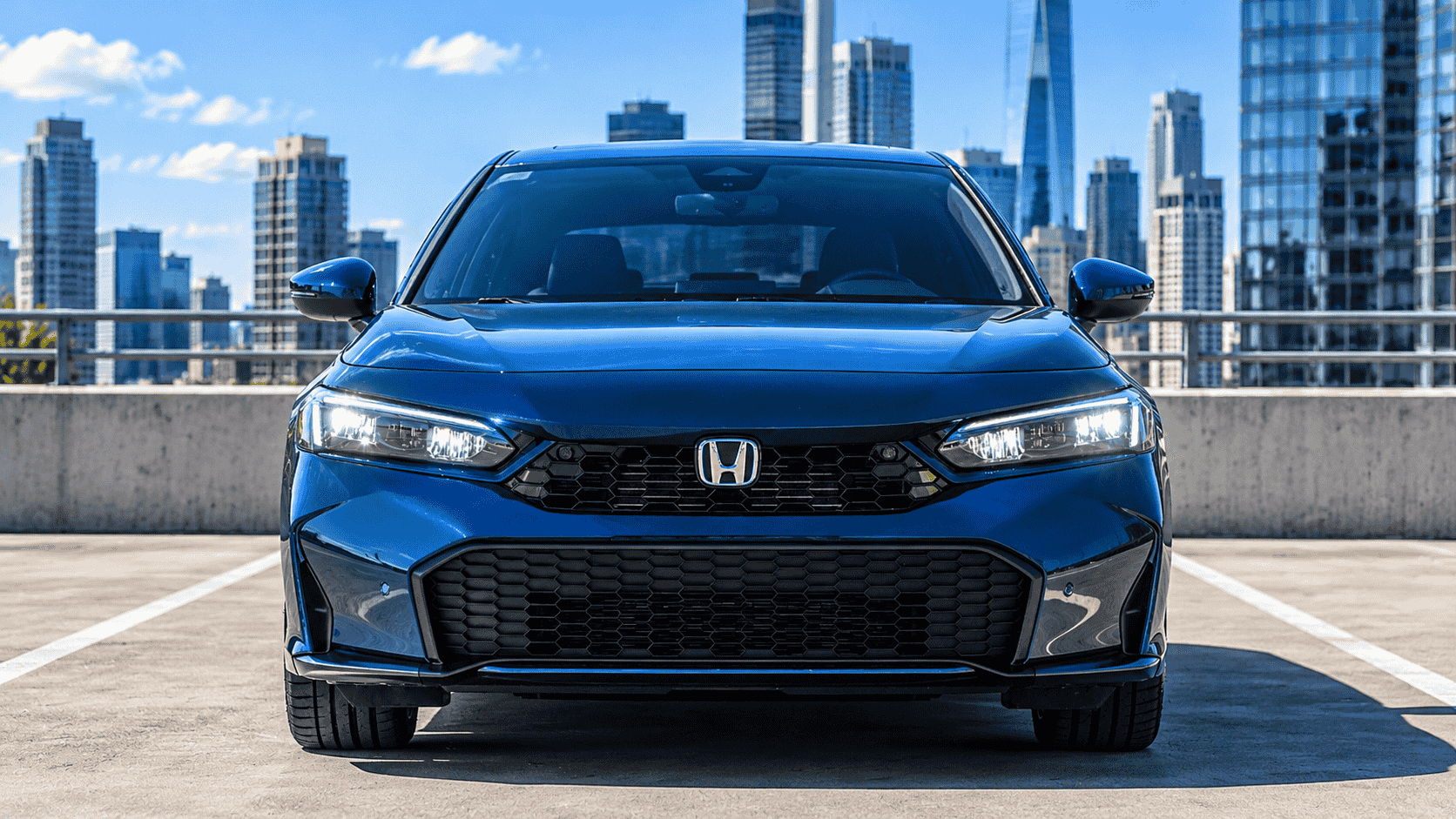
Ultimately, the Civic is aimed at drivers who want more from a hybrid than low fuel consumption alone. It offers everyday efficiency, useful space, a well-equipped interior and a driving experience that remains an important part of its identity. Buyers focused on the lowest purchase price or the absolute best fuel economy may find better value elsewhere. Those willing to pay extra for performance, comfort and refinement, however, will find the 2026 Honda Civic e a compelling alternative in Australia’s hybrid hatchback market.
Sources and References
- Honda Australia – Civic model range, pricing and equipment
- ANCAP – Honda Civic safety rating
- CarExpert – 2026 Honda Civic review and independent test results