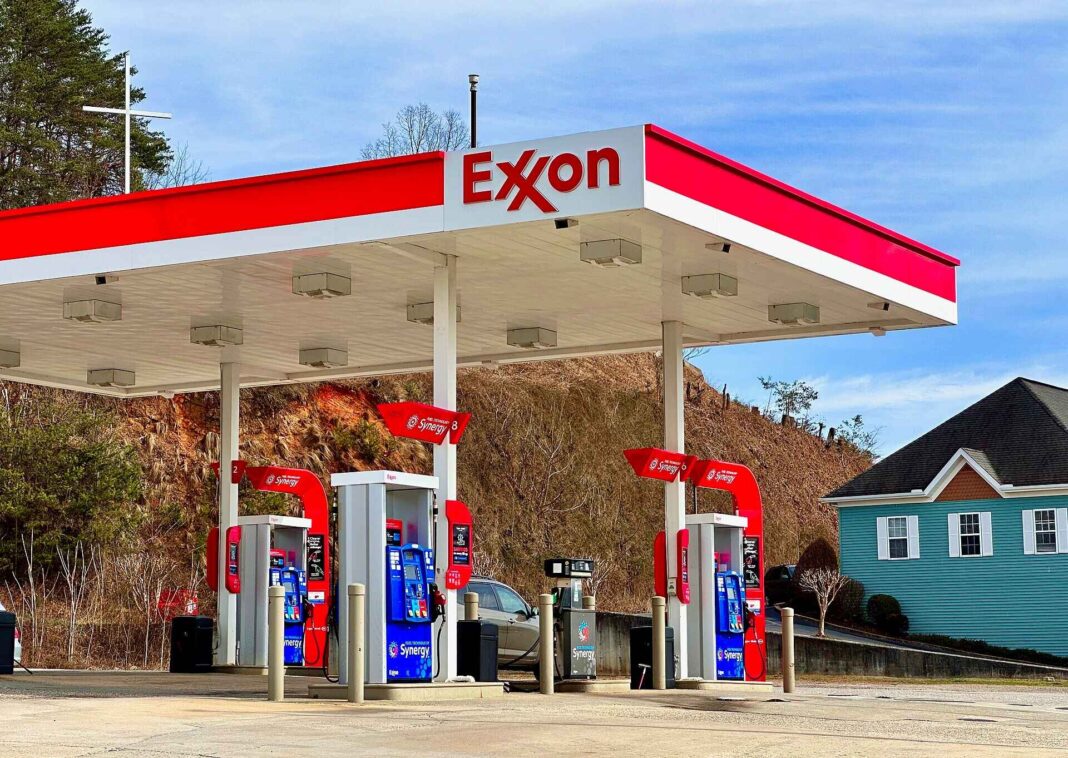
ExxonMobil and Chevron have reported stronger-than-expected third-quarter earnings for 2026, benefiting from soaring refining margins, higher fuel prices, and disruptions across global energy markets. The results highlight the growing profitability of major oil companies as geopolitical tensions continue to affect crude oil supplies and fuel production.
The two American energy giants exceeded Wall Street’s profit forecasts, with their refining businesses delivering particularly strong results. In an unusual development, ExxonMobil earned more from refining than from oil exploration and production for the first time in at least six years.
The latest financial results also strengthen investor interest in energy stocks, as oil companies benefit from changing market conditions while consumers face higher gasoline and diesel prices.
ExxonMobil and Chevron Beat Third-Quarter Earnings Expectations
ExxonMobil and Chevron both delivered better-than-expected financial results for the third quarter of 2026, supported by significantly higher earnings from their downstream operations.
ExxonMobil reported adjusted earnings of $4.23 per share, while Chevron recorded adjusted earnings of $5.28 per share. Both companies benefited from stronger refining margins as disruptions to international fuel supplies pushed gasoline and diesel prices higher.
The effective closure of the Strait of Hormuz and attacks on refineries in Saudi Arabia and Russia have reduced available fuel production capacity. These developments have contributed to tighter markets and increased profitability for companies capable of processing crude oil into finished petroleum products.
ExxonMobil’s performance was particularly notable because its refining operations generated more earnings than its traditional upstream business, which includes oil and natural gas exploration and production.
Chevron also reported its strongest downstream earnings in at least six years.
Shares of both companies rose nearly 2% on October 30, broadly following the S&P 500 energy sector despite declines in major US stock market indexes.
Why Rising Refining Margins Are Boosting Oil Company Profits
Refining margins represent the difference between the value of finished petroleum products and the cost of the crude oil and other inputs used to produce them.
When gasoline, diesel, and other refined fuel prices increase faster than crude oil input costs, refiners can generate higher profits.
This is particularly important for integrated energy companies such as ExxonMobil and Chevron, which operate across multiple parts of the oil and gas industry.
Recent geopolitical disruptions have reduced global refining capacity and tightened fuel supplies. As a result, companies with operational refineries and access to crude oil have benefited from unusually favorable market conditions.
The situation has also demonstrated why refining operations can play an important role in the financial performance of major energy stocks, even when crude oil prices fluctuate.
However, exceptionally high refining margins are not necessarily permanent. As damaged facilities return to operation and global supply chains improve, profitability could gradually move closer to historical levels.
ExxonMobil and Chevron Invest in Expanding US Refinery Capacity
Despite benefiting from higher fuel prices, ExxonMobil and Chevron are looking for ways to increase production and improve fuel availability.
ExxonMobil is investing in its existing refinery infrastructure, including its major Baytown complex in Texas. The company is also relying on its global trading operations to move available fuel supplies toward markets experiencing shortages.
Exxon CFO Neil Hansen said the company recognizes the financial pressure that higher gasoline and diesel prices place on American families and businesses. He emphasized that increasing available supplies is an important part of the company’s response.
Exxon expects its US distillate production to increase by another 100,000 barrels per day through refinery investments, although the company has not specified a completion timeline.
CEO Darren Woods also indicated that Exxon is examining additional opportunities to expand existing refining facilities and upgrade operations to produce more transportation fuels and chemical feedstocks.
Chevron is pursuing similar improvements across its US Gulf Coast operations.
The company sees opportunities to increase efficiency at its existing refineries and potentially expand capacity at its Pascagoula refinery in Mississippi by approximately 7% before the end of the decade.
Chevron Vice Chairman Mark Nelson expects refining margins to remain somewhat elevated, potentially extending into 2027, as the recovery of damaged facilities will take time.
Higher Gasoline and Diesel Prices Put Pressure on American Consumers
While higher fuel prices are improving the financial performance of major oil companies, they are creating challenges for households and businesses throughout the United States.
Gasoline prices directly affect household transportation budgets, while diesel prices have a wider impact on commercial transportation, agriculture, construction, and industrial operations.
When diesel becomes more expensive, trucking companies and other transportation providers face higher operating costs. These expenses can eventually influence the prices of groceries, building materials, and other consumer products.
Fuel affordability has also become a significant political issue ahead of the US midterm elections, with gasoline and diesel costs remaining important concerns for American voters.
The contrast between rising oil company profits and increasing consumer expenses has placed the energy industry under greater public attention.
For investors, however, the latest earnings reports highlight how companies with strong refining operations can benefit when fuel supplies become constrained.
ExxonMobil and Chevron Focus on Debt Reduction and Shareholder Returns
Despite generating substantial cash flow, ExxonMobil and Chevron are taking a relatively cautious approach to managing their financial resources.
Rather than significantly increasing dividends or expanding share repurchase programs, both companies are prioritizing debt reduction and maintaining strong balance sheets.
ExxonMobil reduced its debt by approximately $8 billion during the third quarter. The company also increased its fourth-quarter dividend by $0.04 per share compared with the previous quarter.
Exxon confirmed that it plans to repurchase approximately $20 billion worth of its own shares in 2027, maintaining the same annual buyback level as the previous two years.
Chevron has also strengthened its financial position, reducing net debt by nearly $14 billion compared with the end of 2025.
Chevron CFO Eimear Bonner emphasized the importance of maintaining a strong balance sheet throughout different stages of the energy market cycle.
This approach allows major oil companies to remain financially prepared for periods of lower crude oil prices, weaker refining margins, and changing global demand.
For long-term investors evaluating ExxonMobil stock and Chevron stock, debt levels, dividend sustainability, cash flow, and capital allocation remain important financial considerations.
Shell, BP and Total Energies Also Report Strong Energy Profits
The strong performance of ExxonMobil and Chevron reflects a broader trend across the international oil and gas industry.
European energy companies Shell, BP, and TotalEnergies also exceeded third-quarter profit expectations, benefiting from higher fuel prices and favorable refining conditions.
Shell announced that it would increase its share buyback program to $5 billion over the following three months, compared with $3 billion in the previous quarter.
TotalEnergies indicated that it could consider an additional dividend in 2027 if annual cash flow reaches approximately $43 billion.
BP, meanwhile, plans to use stronger earnings to reduce financial liabilities, including an early repayment of its remaining $5 billion post-tax obligation related to the 2010 Deepwater Horizon disaster.
These decisions demonstrate different approaches to managing strong energy-sector cash flows.
While some companies are increasing shareholder distributions through dividends and stock buybacks, others are focusing on reducing debt and strengthening their financial positions.
What Higher Oil Prices and Refining Margins Mean for Energy Stock Investors
The latest earnings reports provide important information for investors following the US stock market and the global energy sector.
Companies such as ExxonMobil and Chevron operate across several stages of the energy supply chain, including exploration, oil production, transportation, refining, and chemical manufacturing.
This diversified business structure can help integrated oil companies respond to changing market conditions.
Higher refining margins can support earnings even when upstream profitability faces pressure. However, investors should not assume that unusually strong refining profits will continue indefinitely.
The future performance of energy stocks will depend on several factors:
- Crude oil prices: Changes in international oil benchmarks can influence production revenues and operating costs.
- Refining margins: Gasoline and diesel prices relative to crude oil costs affect downstream profitability.
- Global supply disruptions: Geopolitical conflicts and infrastructure damage can influence fuel availability.
- Energy demand: Economic growth, transportation activity, and industrial consumption affect oil and fuel demand.
- Dividend and buyback policies: Shareholder distributions remain important considerations for income-focused investors.
- Debt and cash flow: Strong balance sheets can help energy companies withstand periods of market volatility.
For investors considering oil and gas stocks, understanding these factors is essential when evaluating long-term opportunities and potential risks.
ExxonMobil and Chevron Outlook: What Comes Next for the Oil Market?
ExxonMobil and Chevron have demonstrated how geopolitical developments can rapidly change profitability across the global energy industry.
Disruptions to fuel production, higher refining margins, and volatile crude oil prices have created a favorable earnings environment for major oil companies during 2026.
Both American energy giants are using their additional cash flow to reduce debt, invest in existing refinery operations, and maintain shareholder returns.
However, the longer-term outlook remains closely connected to geopolitical developments, global crude oil supply, refinery recovery, and changes in energy demand.
If damaged refineries return to operation and international fuel supplies improve, refining margins could gradually decline. The timing of that adjustment remains uncertain.
For American consumers, the key question is how long elevated gasoline and diesel prices will continue. For investors, the focus will be whether ExxonMobil and Chevron can maintain strong earnings and cash flow when current market disruptions begin to ease.
The latest results underline the importance of monitoring energy prices, refining profitability, and corporate financial performance when following the US energy sector.
Disclaimer: This article is for informational and educational purposes only and does not constitute financial or investment advice. Energy stocks involve market risks. Investors should conduct independent research before making investment decisions.