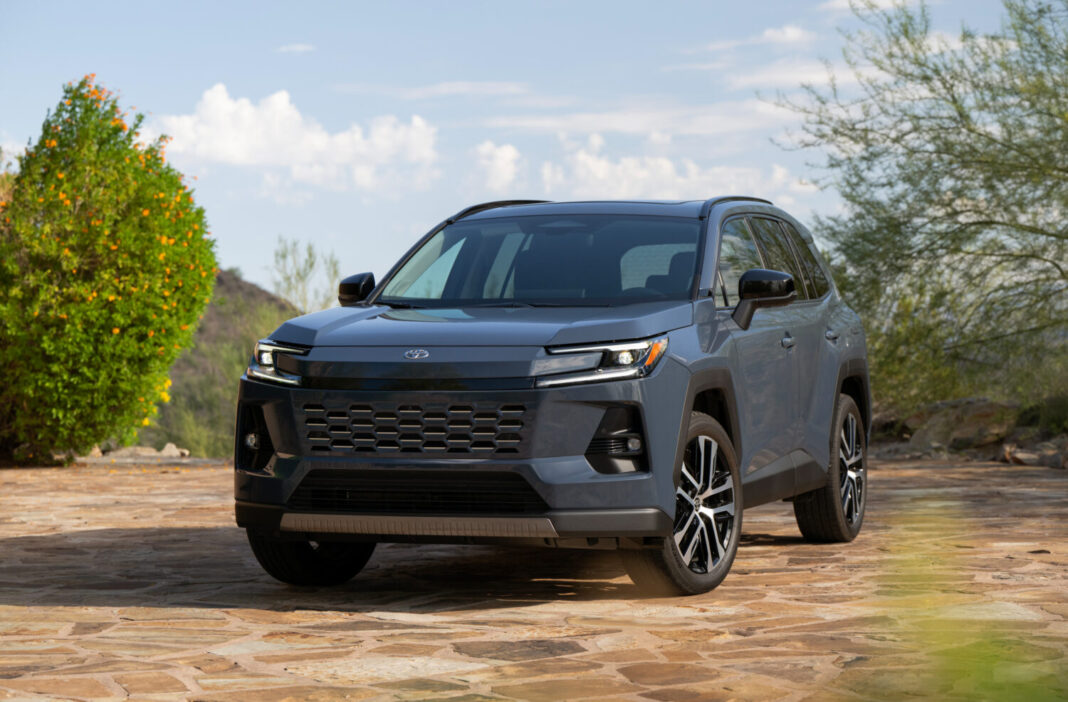
The Toyota RAV4 has reached a point where it no longer needs to prove its place in the American SUV market. For years, it has been one of the most recognizable names in the compact crossover segment, attracting buyers who want the practicality of an SUV without the size and running costs of a larger vehicle. Its success has come from a fairly simple formula: useful interior space, sensible dimensions, dependable everyday transportation and a reputation for keeping ownership relatively straightforward. With the arrival of the 2026 model, Toyota has decided that this familiar formula needs a significant update.
The sixth-generation RAV4 brings a completely redesigned exterior, a more technology-focused cabin and a revised range of electrified powertrains. The most important change, however, is not something immediately visible from the outside. In the United States, Toyota has dropped the conventional gasoline-only version, making the 2026 RAV4 available exclusively as a hybrid or plug-in hybrid. It is a major decision for a vehicle that has traditionally appealed to such a broad range of buyers, but it also reflects how quickly the compact SUV market is changing. Fuel economy, electrification and increasingly sophisticated technology are now central considerations in this category.
Toyota has not abandoned the qualities that made the RAV4 popular. Instead, the company has attempted to build on them, offering several versions with different personalities rather than turning the entire range into one uniform design. The result is a sixth-generation model that looks more distinctive, offers considerably more power in its plug-in hybrid form and gives buyers a wider choice of equipment and styling.
A More Distinctive Design for the New RAV4
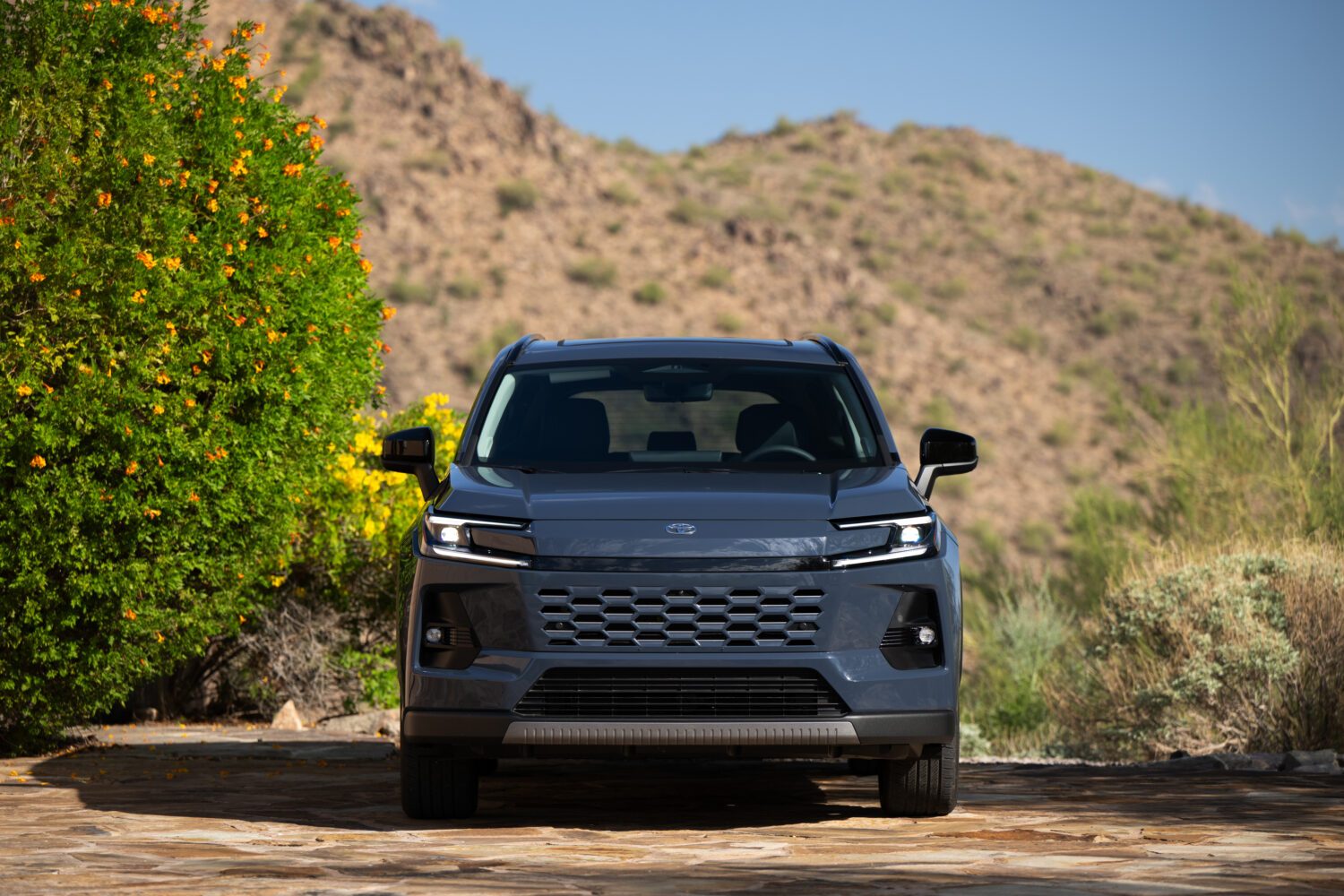
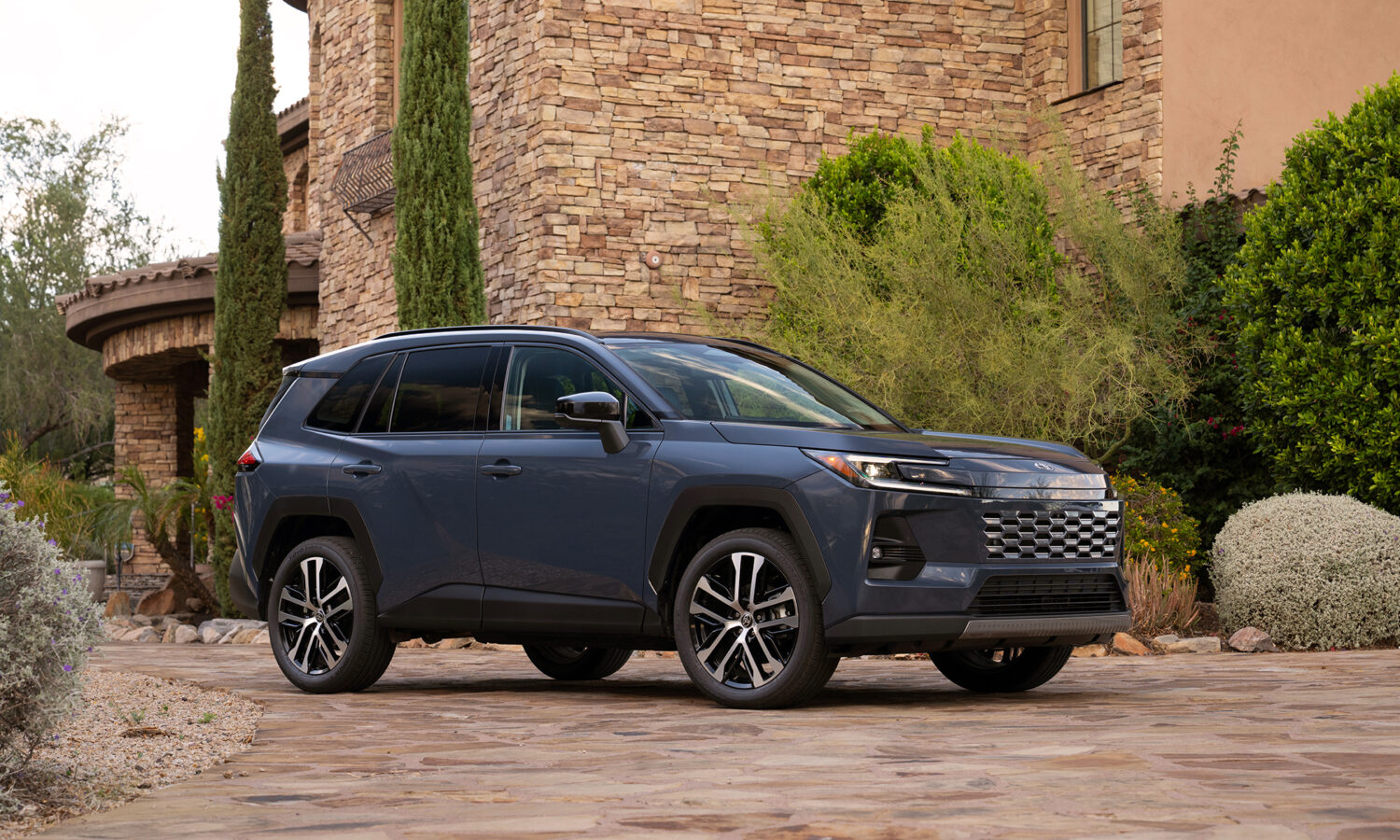
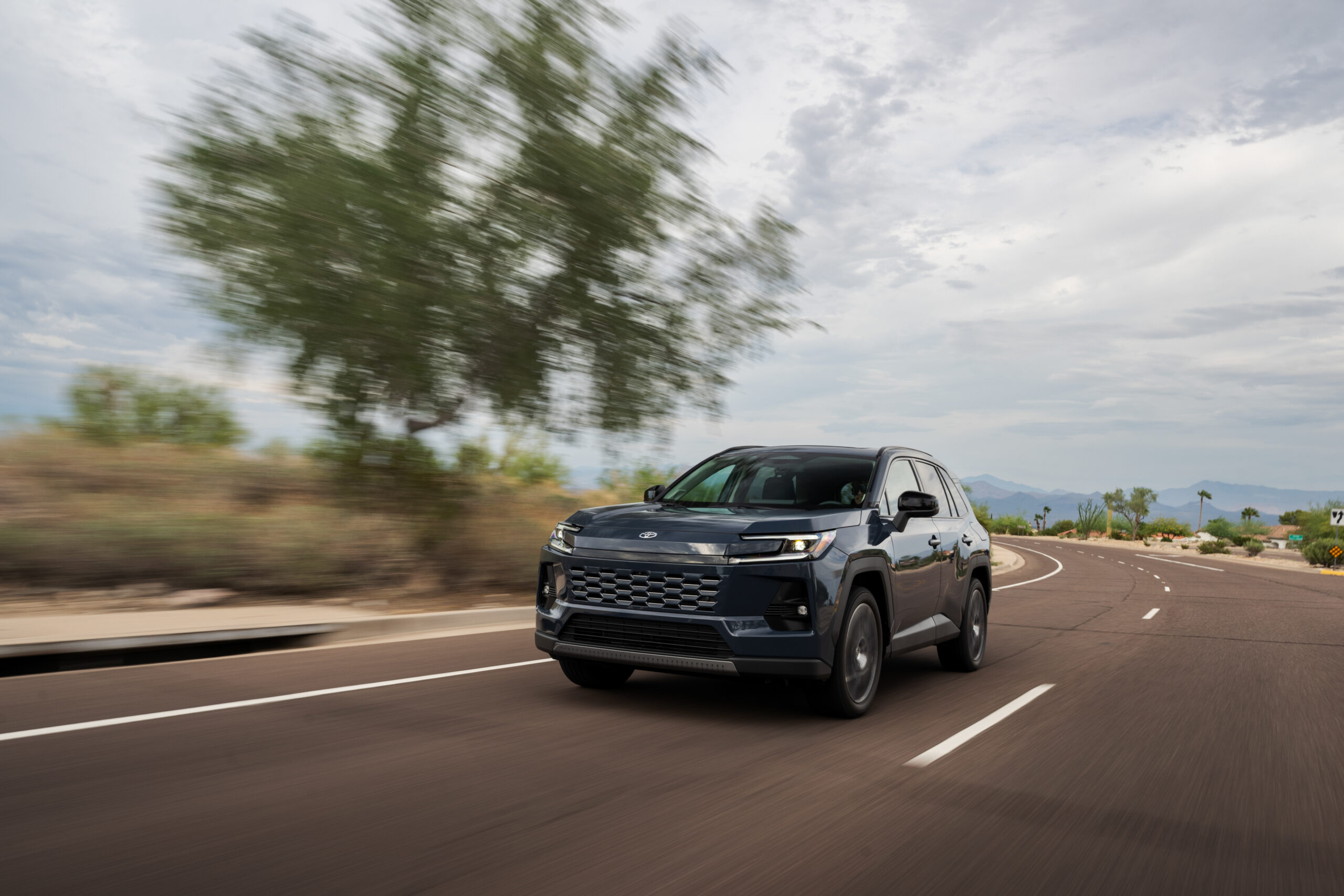
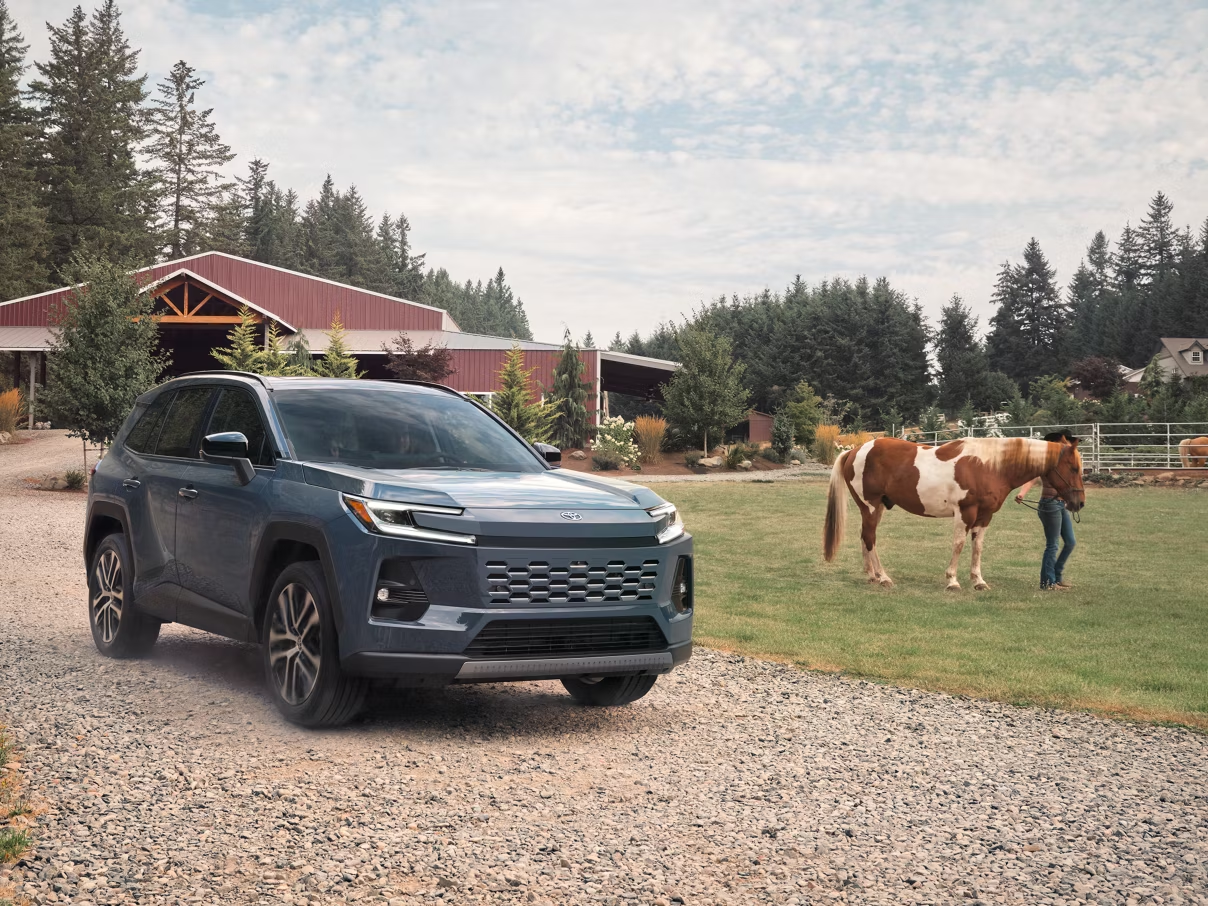
The 2026 RAV4 looks familiar enough to be immediately recognizable, but Toyota has given it a much sharper appearance. The front end adopts the company’s latest hammerhead-inspired design, with angular lighting, a more sculpted bumper and a wider visual stance. The hood and bodywork have also been reshaped, giving the SUV a more substantial presence without changing its basic compact crossover proportions. It is not a radical departure from the previous generation, but the new details make the vehicle look more modern and considerably less conservative.
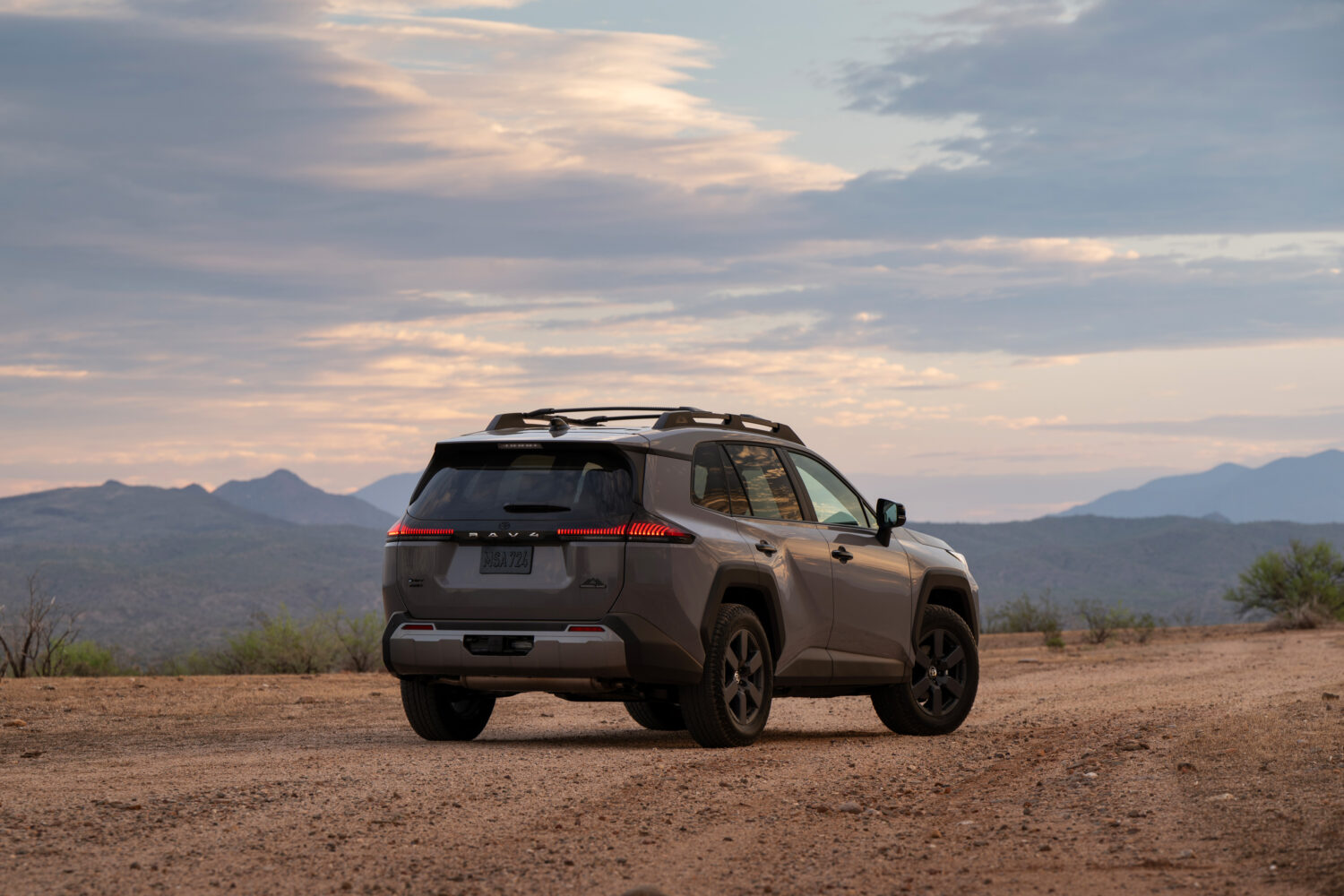
One of the more interesting decisions is Toyota’s approach to the different versions. Rather than relying only on equipment packages to separate the trims, the company has created three distinct design directions known as Core, Sport and Rugged. The Core models are intended for buyers who prefer a straightforward appearance, the Sport versions bring more aggressive styling, and the Woodland is designed to look more at home outside the city. This gives the RAV4 range a clearer identity and makes the differences between individual models easier to understand.
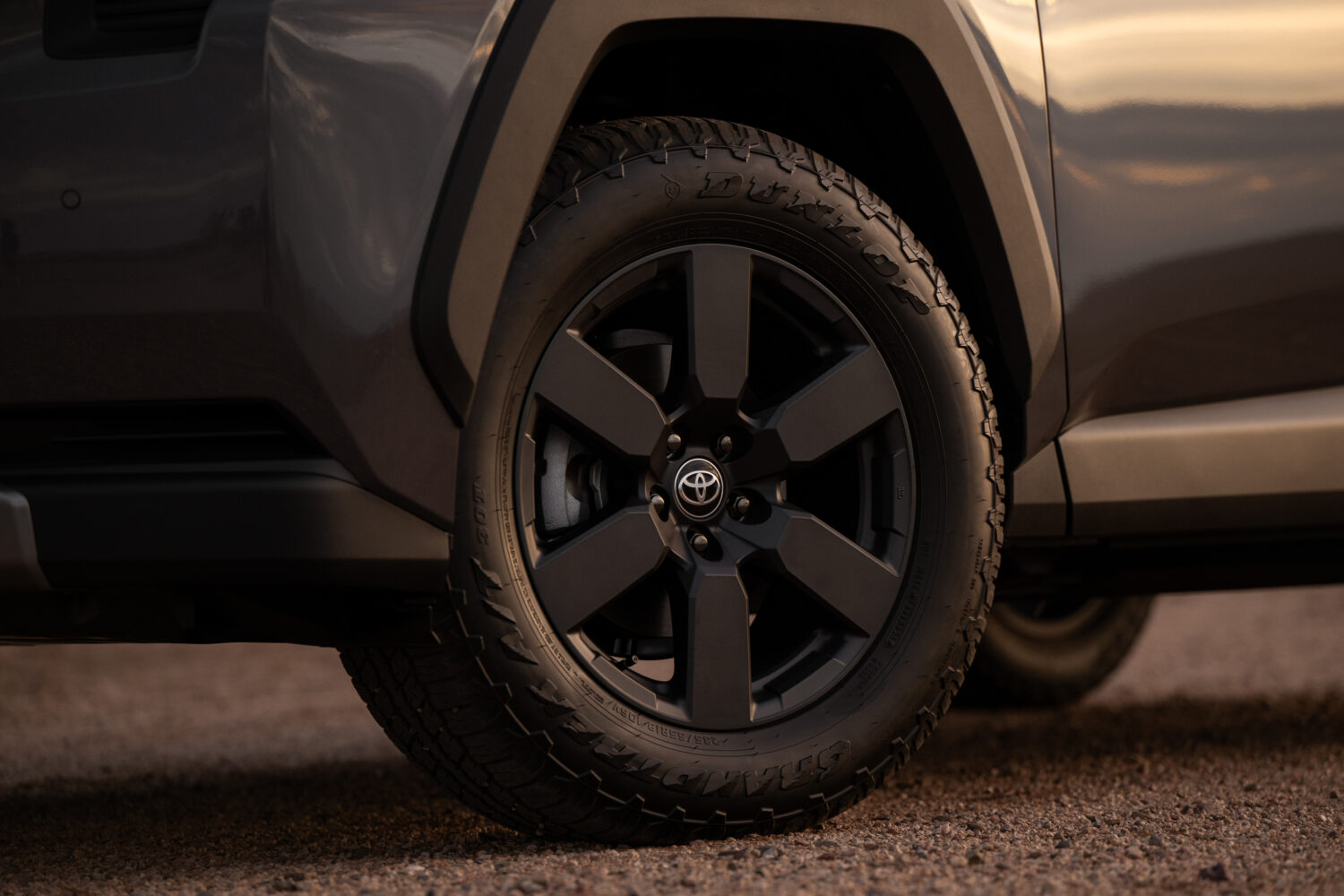
The Woodland is arguably the most visually distinctive version. It comes with 18-inch matte-finish alloy wheels wrapped in all-terrain tires, raised black roof rails with crossbars and integrated Rigid Industries LED fog lights. Its appearance suggests a vehicle intended for camping trips, forest roads and outdoor activities, although its equipment should not be confused with that of a dedicated off-road SUV. The sportier SE and XSE take the RAV4 in the opposite direction, using darker exterior details and more pronounced wheel designs. The XSE, in particular, receives 20-inch black sport alloy wheels, giving it a more road-focused appearance.
The range also includes the Limited, which sits at the more premium end of the standard hybrid lineup. Its design is less rugged than the Woodland and less overtly sporty than the XSE, reflecting its emphasis on comfort and equipment. This variety is important because RAV4 buyers do not all use their vehicles in the same way. Some need an economical family crossover, others want something with a more adventurous image, while a growing number are looking for a well-equipped SUV with modern technology and a more upscale cabin.
Hybrid Power Is Now Standard Across the U.S. Range
The biggest mechanical change for 2026 is the disappearance of the gasoline-only RAV4 from the American lineup. Every version now uses an electrified powertrain, with buyers choosing between a conventional hybrid and a plug-in hybrid. Toyota has been moving in this direction for several years as demand for its hybrid models has increased, but making electrification standard across the entire range marks a new stage for one of its most important vehicles.
The regular hybrid uses a 2.5-liter four-cylinder gasoline engine working together with electric motors and Toyota’s fifth-generation hybrid system. Front-wheel-drive models produce 226 net combined horsepower, while all-wheel-drive versions increase that figure to 236 horsepower. The AWD system uses a dedicated electric motor to drive the rear wheels when additional traction is required, rather than relying on a conventional mechanical connection between the front and rear axles. Depending on the trim, buyers can choose front-wheel drive or electronic on-demand all-wheel drive, while the more adventure-oriented Woodland comes with AWD.
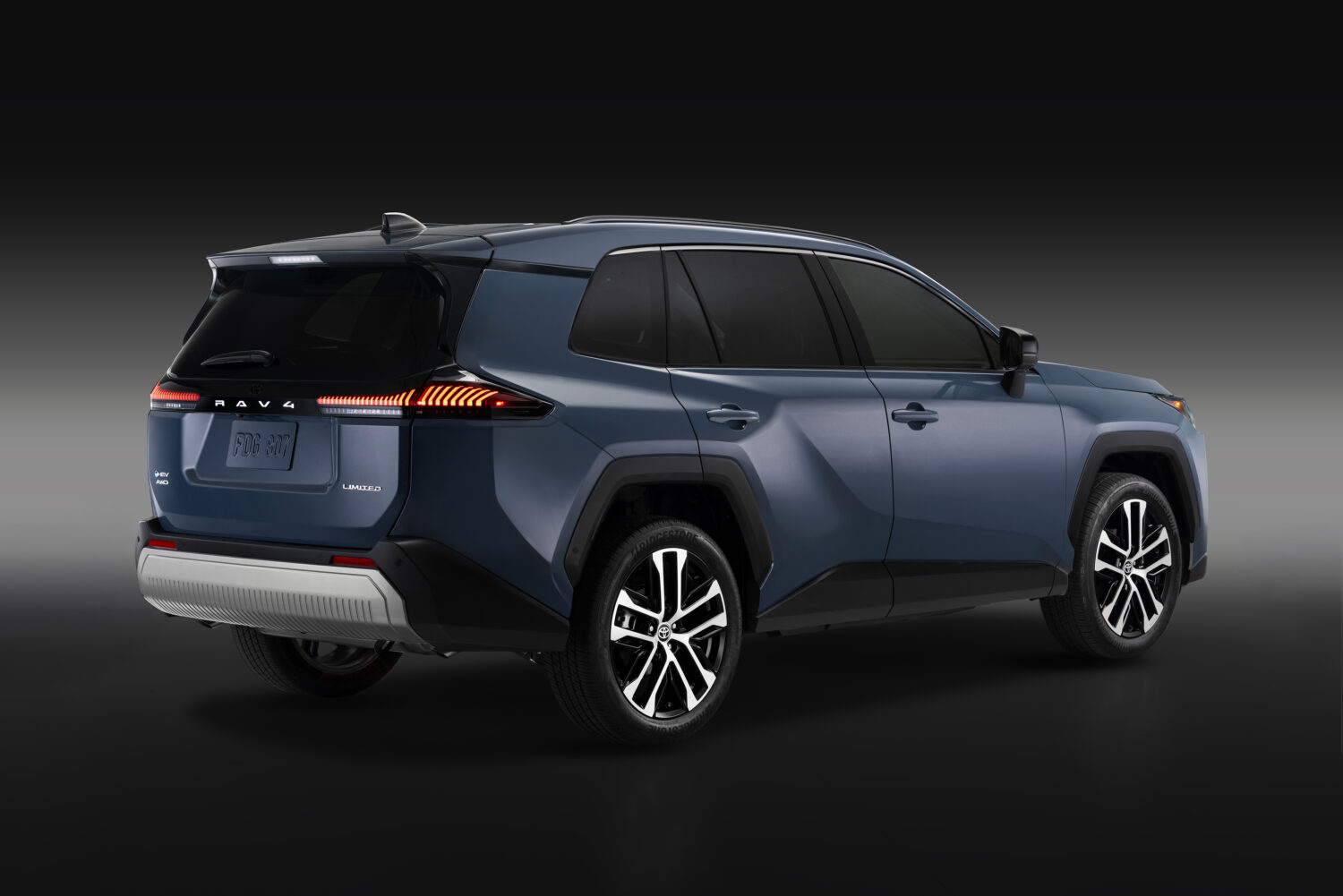
On paper, the power increase gives the new RAV4 a useful advantage over its predecessor, particularly in all-wheel-drive form. More importantly, the hybrid system is designed to deliver its power smoothly in the situations that matter most during everyday driving. Electric motors can provide immediate assistance when moving away from a stop, while the gasoline engine takes a larger role as speed increases or when sustained power is needed. The system also recovers energy during braking and deceleration, helping recharge the battery without requiring the driver to connect the vehicle to an external power source.
The plug-in hybrid is a more substantial step forward. It combines the 2.5-liter engine with a larger battery and electric motors to produce 324 net combined horsepower, with all-wheel drive included as standard equipment. Toyota estimates that the 2026 RAV4 Plug-in Hybrid can travel up to 52 miles on electric power alone. That figure gives it the potential to cover many ordinary commuting journeys without using gasoline, provided the battery is charged regularly and driving conditions allow the vehicle to remain in electric operation.
There is a practical difference between the two systems that buyers should consider before choosing. The regular hybrid is the simpler option for people who want better fuel economy without changing how they refuel their vehicle. It charges its battery automatically while driving and does not depend on access to a charging point. The plug-in hybrid offers more power and a meaningful electric-only driving range, but its advantages are easier to take advantage of when the owner has somewhere convenient to recharge. For someone who drives relatively short distances and can charge at home, the PHEV could make a lot of sense. For drivers who regularly cover long distances and do not want to think about charging, the conventional hybrid remains the more straightforward choice.
Fuel Economy: One of the RAV4’s Biggest Advantages
Fuel efficiency has long been one of the RAV4’s strongest selling points, and Toyota has made it a central part of the new generation. The most economical 2026 model is the front-wheel-drive LE, which carries manufacturer-estimated ratings of 47 mpg in city driving and 40 mpg on the highway. Those figures are particularly relevant in a segment where many buyers use their SUVs for commuting, school runs, shopping and longer family journeys. Lower fuel consumption can make a noticeable difference over several years of ownership, especially for drivers who cover a substantial number of miles.
The figures vary across the lineup because wheel size, tires, equipment and drivetrain configuration all influence efficiency. The LE and SE all-wheel-drive versions are estimated at 45 mpg in the city and 39 mpg on the highway, while the XLE Premium AWD is rated at 45 mpg city and 38 mpg highway. The Woodland’s more rugged tires and equipment bring its estimates down to 41 mpg city and 35 mpg highway. The XSE and Limited AWD models are listed at 43 mpg city and 37 mpg highway.
These differences illustrate the compromise involved in choosing a particular trim. The Woodland is designed to look and feel more adventure-oriented, but its all-terrain tires and equipment are not aimed at achieving the lowest possible fuel consumption. The LE, by comparison, puts efficiency and value ahead of visual impact. Buyers who want a more stylish or better-equipped RAV4 will have to decide whether the additional features are worth the difference in price and fuel economy.
The plug-in hybrid requires a slightly different approach to fuel-economy comparisons. Its electric range means that the amount of gasoline used depends heavily on charging frequency and the distance travelled between charges. Toyota estimates up to 52 miles of electric driving range, while its published fuel-economy figures vary by trim. The SE and XSE are estimated at 43 mpg city and 36 mpg highway in hybrid operation, with different ratings for the Woodland and GR SPORT versions. The vehicle’s overall efficiency can be particularly attractive for owners who regularly charge it and use electric power for shorter trips, but drivers who rarely plug it in will not benefit from its full potential.
As with any manufacturer fuel-economy estimate, real-world results will depend on conditions. Cold weather, heavy traffic, high speeds, steep roads and frequent use of heating or air conditioning can all affect consumption. The official figures provide a useful basis for comparing the trims, but they should not be treated as a guarantee that every owner will achieve the same results.
Interior and Technology: A More Modern Driving Environment
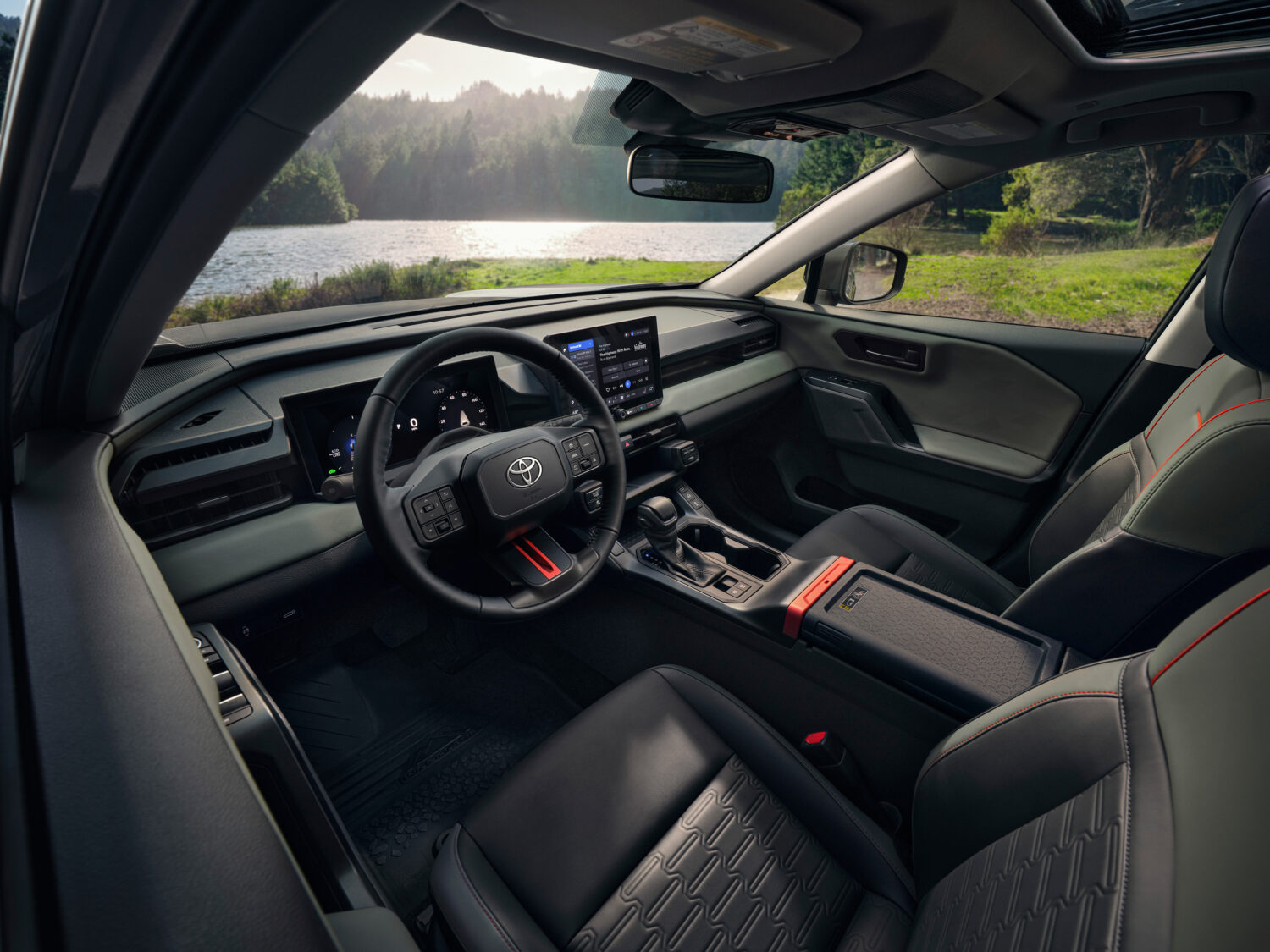
The cabin is another area where the new RAV4 moves forward. Toyota has redesigned the dashboard around a more digital layout, giving the driver a 12.3-inch digital instrument cluster as standard equipment. The central infotainment system uses a 10.5-inch touchscreen, while a larger 12.9-inch display is available on selected models. The screens give the interior a more contemporary appearance, although the real test will be how intuitive the system feels during everyday use.
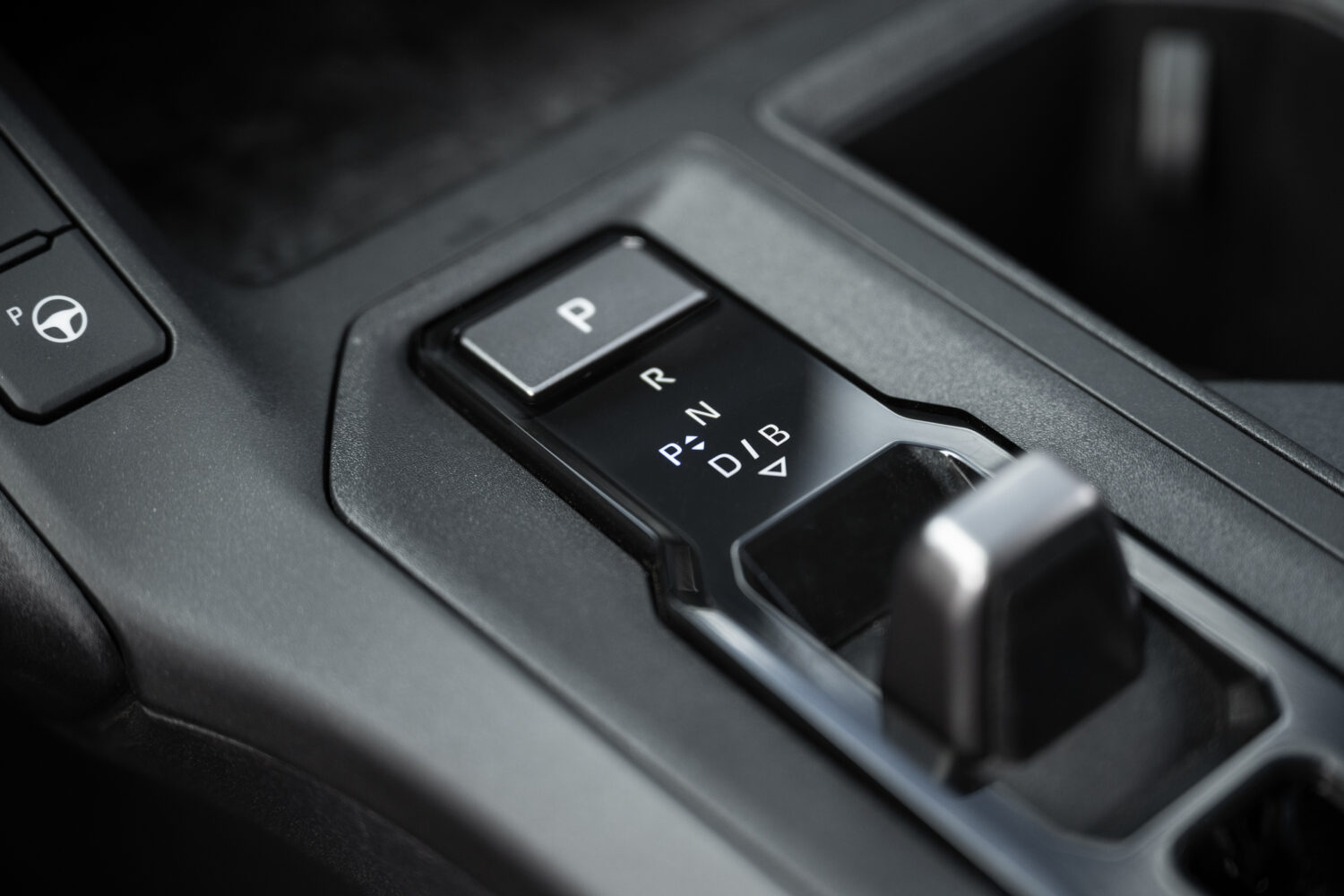
Wireless Apple CarPlay and Android Auto compatibility are included, allowing drivers to connect their smartphones without relying on a cable. The updated Toyota Audio Multimedia system is intended to make navigation, entertainment and vehicle settings easier to access. For buyers who spend a lot of time behind the wheel, these features are no longer minor extras. Smartphone integration, clear navigation and straightforward controls have become important parts of the ownership experience, particularly in a family vehicle that may be driven by more than one person.
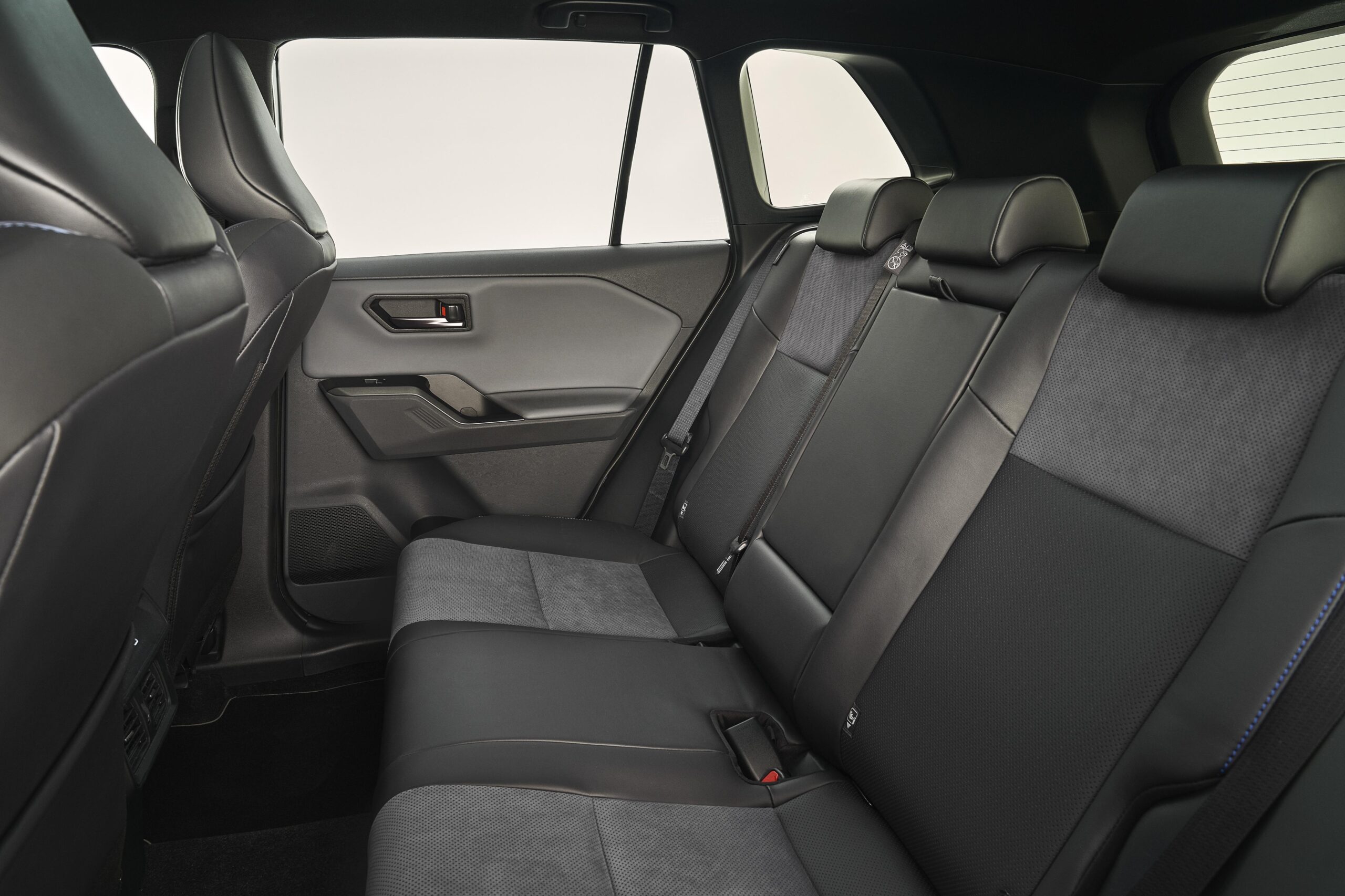
Toyota has also tried to preserve the practical character of the RAV4. There is seating for five, a rear bench that folds in a 60/40 configuration and up to 37.8 cubic feet of cargo capacity behind the second row. That is useful space for luggage, groceries, sports equipment and the everyday items that tend to accumulate in a family SUV. Folding the rear seats expands the available carrying area for larger loads, giving the vehicle flexibility without requiring owners to move up to a midsize SUV.
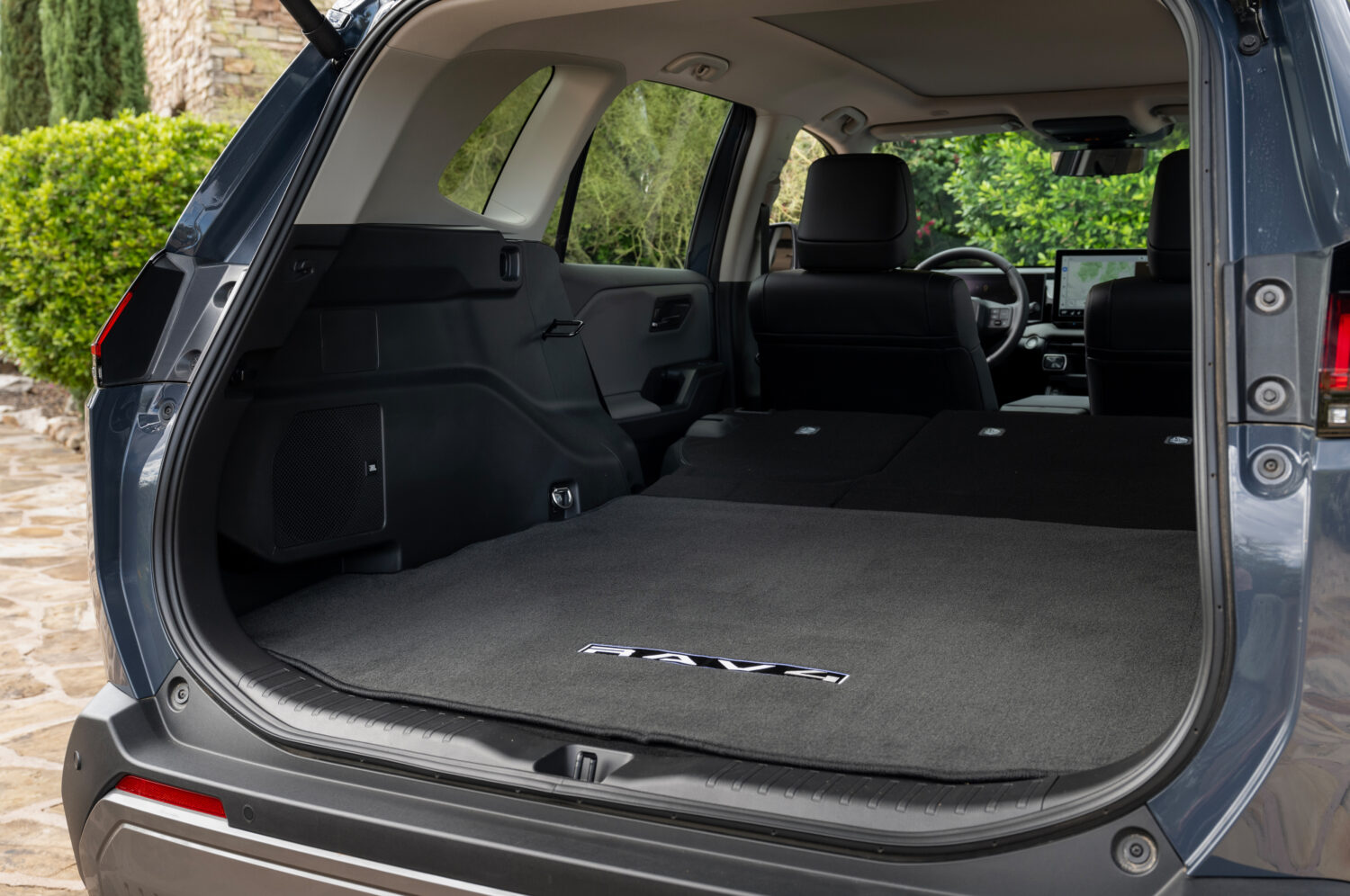
Equipment levels become more generous as buyers move through the range. The XLE Premium adds SofTex -trimmed seats, heated front seats and a power liftgate, while the XSE brings a more distinctive cabin treatment with heated and ventilated front seats. The Limited is aimed at drivers who want a more premium experience, with features such as a panoramic glass roof and JBL audio system. Not every feature is standard on every trim, so it is worth checking the equipment list carefully rather than assuming that all versions receive the same technology.
Safety Features and Driver Assistance
Safety remains an important part of the RAV4 package, and the 2026 model introduces Toyota Safety Sense 4.0. The latest version of the company’s driver-assistance suite includes technologies designed to help drivers monitor surrounding traffic, maintain their position in a lane and respond to potential hazards. Among the systems are a Pre-Collision System, Lane Tracing Assist, Dynamic Radar Cruise Control and Road Sign Assist.
These features are intended to provide assistance in specific driving situations, not to take responsibility away from the person behind the wheel. Their performance can depend on road markings, weather, visibility and the conditions detected by the vehicle’s sensors and cameras. Drivers should remain attentive and be prepared to take control whenever necessary.
Available parking assistance features are also worth considering, particularly for owners who regularly drive in crowded urban areas. Front and rear parking sensors with automatic braking can help when maneuvering in tight spaces, while other equipment varies according to trim and selected packages. The combination of active safety systems and parking assistance makes the RAV4 better equipped for the mixture of highway travel, suburban driving and city use that defines life for many compact SUV owners.
2026 Toyota RAV4 Price and Trim Levels
Toyota has positioned the 2026 RAV4 across a fairly broad price range, allowing buyers to choose between a relatively accessible hybrid model and more expensive versions with additional comfort, styling and performance equipment. The standard hybrid lineup begins with the LE at a starting MSRP of $31,900. The SE starts at $34,700, while the XLE Premium is priced from $36,100. The Woodland moves the price to $39,900, followed by the XSE at $41,300 and the Limited at $43,300.
The plug-in hybrid models sit higher in the range. The RAV4 Plug-in Hybrid SE starts at $41,500, the Woodland at $45,300 and the XSE at $47,200. The GR SPORT, which brings a more performance-oriented design to the plug-in hybrid lineup, starts at $48,500. These prices are manufacturer-listed starting MSRPs for the U.S. market and do not include applicable destination charges, taxes, registration costs or dealer-installed options. Actual transaction prices can also vary depending on inventory and local market conditions.
For buyers who simply want a practical and economical RAV4, the LE is the logical entry point. It offers the lowest starting price and the best estimated fuel economy in the lineup. The SE adds sportier styling without moving too far up the price scale, while the XLE Premium makes sense for those who place greater value on comfort and convenience features. The Woodland is aimed at a more specific type of buyer, someone attracted to its rugged appearance and equipment rather than maximum fuel efficiency.
At the other end of the range, the XSE and Limited offer more equipment and a more distinctive presentation. The plug-in hybrid versions require a larger financial commitment, but they also deliver significantly more power and the ability to travel on electric power alone for shorter journeys. Whether that extra cost is worthwhile will depend on how often the owner can charge the vehicle, how far they drive and how much value they place on the additional performance.
Is the 2026 Toyota RAV4 a Good Buy?
The 2026 Toyota RAV4 is a more ambitious vehicle than the model it replaces, but its changes are not limited to a new exterior or a larger touchscreen. Toyota has made electrification the foundation of the entire U.S. range, increased hybrid output, introduced a more powerful plug-in hybrid system and given buyers several distinct design directions. It is a significant update for a vehicle that already occupies an important position in the American compact SUV market.
The decision to remove the gasoline-only model will not appeal to every shopper. Some buyers may prefer the familiarity of a conventional engine or simply have no interest in paying for plug-in technology. Others may find that the regular hybrid offers exactly what they need, combining the convenience of gasoline refueling with the benefits of an electrified powertrain. The plug-in hybrid is a more specialized proposition, particularly suited to drivers who can charge regularly and want to make use of its electric range.
What Toyota appears to understand is that compact SUV buyers are not looking for just one thing. Some priorities fuel economy, others want all-wheel-drive capability, and many simply need a comfortable vehicle that can handle everyday responsibilities without becoming expensive or complicated to own. By offering the RAV4 in Core, Sport and Rugged designs, alongside conventional and plug-in hybrid powertrains, Toyota has tried to cover those different priorities without losing the practicality that made the nameplate successful.
The 2026 model therefore looks well positioned to remain a major competitor in the segment. Its strongest arguments are the choice of hybrid systems, the improved technology and the breadth of the lineup. The final decision will come down to price, equipment and how closely each version matches the buyer’s driving habits. For anyone shopping for a new compact SUV in the United States, the redesigned RAV4 deserves a place on the shortlist.