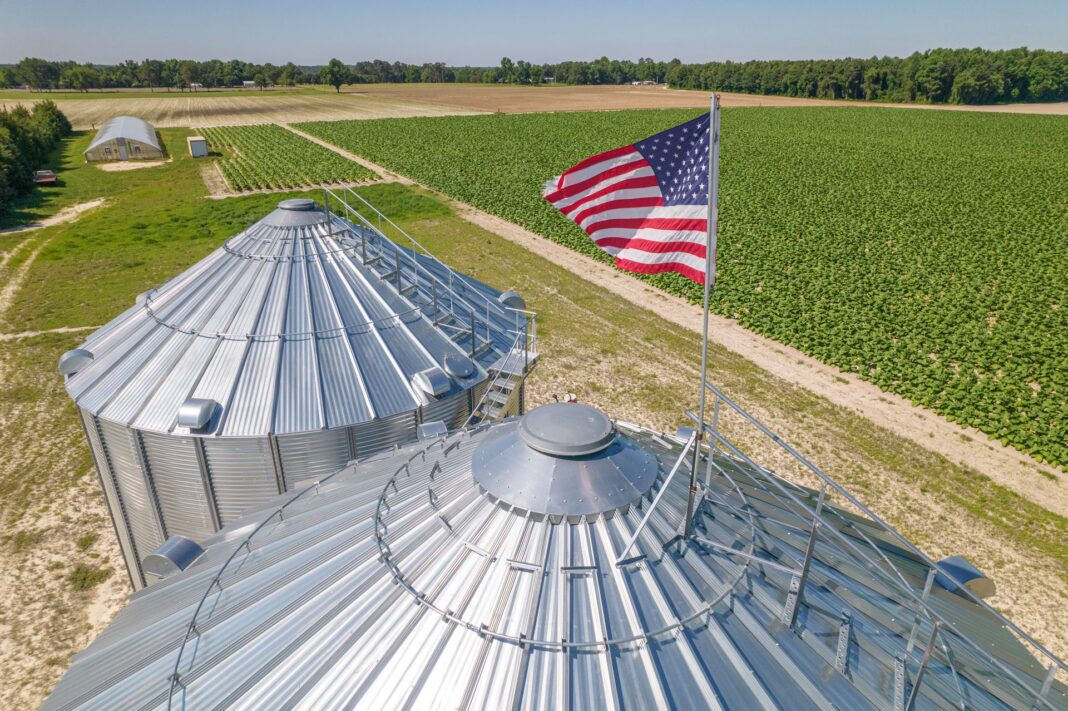
American farmers are facing one of the most difficult economic periods in recent years as rising diesel prices, expensive fertilizer, higher interest rates, and unstable agricultural markets put increasing pressure on farming businesses across the country.
From family-owned farms in Illinois to small produce operations in California, agricultural producers are struggling to cover operating expenses while dealing with uncertain crop prices and growing financial risks.
For some farmers, the situation has become so difficult that they are questioning whether continuing their businesses is financially worthwhile.
John Yeley, a seventh-generation farmer in Illinois, has spent 26 years working on land that his family has owned since 1852. Despite his long agricultural background, he is uncertain whether he wants his children to continue the family business.
The main concern is the economics of modern farming. Rising farm operating costs and unpredictable agricultural markets have made profitability increasingly difficult.
Although corn and soybean prices have increased, Yeley is still unsure whether his farm will generate a profit this season.
He also reported that three farmers in his county went out of business during the year, highlighting the financial pressure facing rural communities.
Record Diesel Prices Increase Farm Operating Costs
One of the biggest challenges facing American farmers is the rising cost of diesel fuel.
Diesel is essential for agricultural operations because it powers tractors, combines, trucks, and other heavy farm equipment. When fuel prices increase, the cost of planting, harvesting, transporting crops, and maintaining machinery rises as well.
The national average diesel price has climbed close to its recent record of $6.53 per gallon. In several Midwest agricultural states, prices are even higher. Illinois, for example, recorded an average of $6.82 per gallon as of Friday, according to the figures cited in CNN’s report.
Farmers consume thousands of gallons of diesel every year, making fuel expenses a major part of their agricultural operating budgets.
Yeley typically purchases approximately 8,500 gallons twice a year to operate his equipment.
However, higher fuel prices have forced him to change his purchasing strategy. Instead of buying a full transport load, he has been purchasing smaller quantities of approximately 1,000 to 1,500 gallons at a time.
This approach allows him to manage cash flow and avoid committing large amounts of money to fuel when prices remain unpredictable.
For agricultural businesses operating on tight profit margins, fuel costs can significantly affect annual profitability.
Fertilizer Prices and Agricultural Supply Costs Continue to Rise
Diesel is not the only expense affecting farm profitability. Fertilizer prices have also increased significantly, creating additional financial pressure for agricultural producers.
Russia’s war against Ukraine disrupted supplies of important raw materials used in fertilizer production. More recently, conflict in the Middle East has added further pressure to international fertilizer exports.
According to farmers and experts cited by CNN, fertilizer prices have increased by as much as 50% over the past year.
Higher fertilizer expenses directly affect crop production costs because farmers depend on fertilizers to maintain soil nutrients and achieve productive harvests.
Small agricultural businesses are particularly vulnerable because they often have less purchasing power than large commercial farming operations.
Sammy Tooke, who grows tomatoes, corn, melons, peppers, squash, lettuce, and other produce on 10 acres in northern California, has experienced increasing expenses for diesel, fertilizer, and cardboard packaging.
Although he has raised prices, he is concerned that charging customers more could reduce demand.
The situation demonstrates how agricultural inflation can affect both farmers and consumers, particularly when higher production expenses eventually translate into more expensive food products.
Higher Farm Loan Interest Rates Create Additional Financial Pressure
Another major challenge for American farmers is the rising cost of agricultural financing.
Farming requires substantial investment before crops generate revenue. Farmers must purchase seeds, fertilizer, fuel, equipment, and other supplies months before receiving income from their harvests.
Many agricultural businesses rely on short-term farm operating loans to cover these expenses between planting and harvesting.
When interest rates increase, borrowing becomes more expensive. Farmers must spend more money servicing agricultural debt, reducing the amount available for equipment maintenance, labor, and other business expenses.
Higher borrowing costs can also make it more difficult for struggling farms to qualify for new financing.
Aaron Lehman, president of the Iowa Farmers Union and a fifth-generation farmer, said that many farms are expecting financial losses this year, following widespread losses during the previous year.
The problem becomes particularly serious when agricultural businesses repeatedly operate at a loss.
Over time, farmers can become less attractive borrowers to financial institutions. Once their creditworthiness deteriorates, obtaining agricultural loans to finance another planting season may become increasingly difficult.
For family-owned farms, access to affordable farm financing can determine whether a business survives another year.
Trade Disputes Put American Agricultural Businesses at Risk
International trade tensions are creating another source of uncertainty for US agricultural producers.
Trade disputes involving the United States and China have restricted access to important export markets, particularly for American soybean producers.
China has historically been an important destination for US agricultural exports. When trade relationships deteriorate, American farmers can lose access to buyers and face additional competition from agricultural producers in other countries.
Reduced export demand can put downward pressure on crop prices and make it harder for farmers to generate enough revenue to cover production costs.
Even when international trade relationships eventually improve, rebuilding market share can take time.
For farmers who depend on export markets, trade policy decisions can have a direct impact on business revenue, financial planning, and long-term investment decisions.
Farm Bankruptcies Increase as Agricultural Businesses Struggle
The financial pressure facing American agriculture is increasingly visible in bankruptcy statistics.
Federal bankruptcy filing data shows that farm bankruptcies increased by 20% during the 12 months ending in June compared with the previous year.
This increase raises concerns about the financial stability of agricultural businesses, particularly smaller family-owned farms.
Tom Ajamie, an attorney active in the agricultural sector, warned that many farmers are already operating close to their financial limits.
If diesel prices, fertilizer expenses, and agricultural loan interest rates remain elevated, additional farms could face serious financial difficulties.
Farm bankruptcy can have consequences beyond the individual business. Rural communities depend on agricultural employment, equipment suppliers, transportation companies, local lenders, and other businesses connected to farming.
When a farm closes, the economic impact can spread throughout the surrounding community.
Farm Bill and Government Assistance Could Provide Relief
Agricultural organizations are calling for additional government support to help farmers manage rising production expenses and financial risks.
The American Farm Bureau Federation and other agricultural groups are supporting a new farm bill that includes measures intended to strengthen the agricultural sector.
One important proposal involves increasing federal farm loan limits, which have not changed since 2018.
Higher loan limits could provide qualifying agricultural businesses with greater access to financing for operating expenses and other farming needs.
Some lawmakers from agricultural states have also called for restrictions on US diesel exports as a way to increase domestic fuel availability and reduce prices.
However, energy experts have questioned whether an export ban would deliver meaningful relief to American consumers and agricultural producers.
Although government assistance and changes to agricultural policy could help stabilize the sector, farmers currently facing expensive harvesting operations need immediate financial relief.
What the Agricultural Crisis Means for Food Prices and Consumers
The financial challenges affecting American farms could eventually influence food prices across the United States.
When farmers pay more for diesel, fertilizer, transportation, equipment, and agricultural financing, their overall cost of production increases.
Some producers may absorb these expenses temporarily, but others may need to increase wholesale prices to remain financially sustainable.
Food processors, distributors, supermarkets, and restaurants can also face higher operating expenses when agricultural supply chains become more expensive.
The impact may vary depending on the crop, region, and availability of alternative suppliers.
Smaller farms could face additional difficulties because they often have fewer financial resources to manage prolonged periods of high operating costs.
If farm closures continue increasing, the long-term consequences could extend beyond individual agricultural businesses and affect rural employment, domestic food production, and the broader US economy.
The Future of American Farming Remains Uncertain
American farmers are accustomed to dealing with unpredictable weather, changing soil conditions, and fluctuating agricultural markets.
However, the combination of high diesel prices, rising fertilizer costs, expensive farm loans, and international trade disruptions is creating an unusually difficult business environment.
For family-owned agricultural operations, the challenge is no longer simply producing a successful harvest. It is maintaining enough financial stability to continue operating and investing in the next season.
Government assistance, more affordable agricultural financing, and improved international trade conditions could provide some relief.
Until then, many farmers will continue facing difficult decisions about their businesses and the future of American agriculture.
The Bottom Line
The economic pressure on America’s farming industry is growing as diesel prices, fertilizer expenses, farm loan interest rates, and agricultural operating costs continue to challenge profitability.
With farm bankruptcies increasing and smaller agricultural businesses struggling to survive, the situation could have wider consequences for rural communities, food production, and the US economy.
For farmers like John Yeley, the biggest question is whether the next generation will have a financially sustainable future in agriculture.
Disclaimer: This article is for informational purposes only and does not constitute financial, agricultural investment, or business advice.