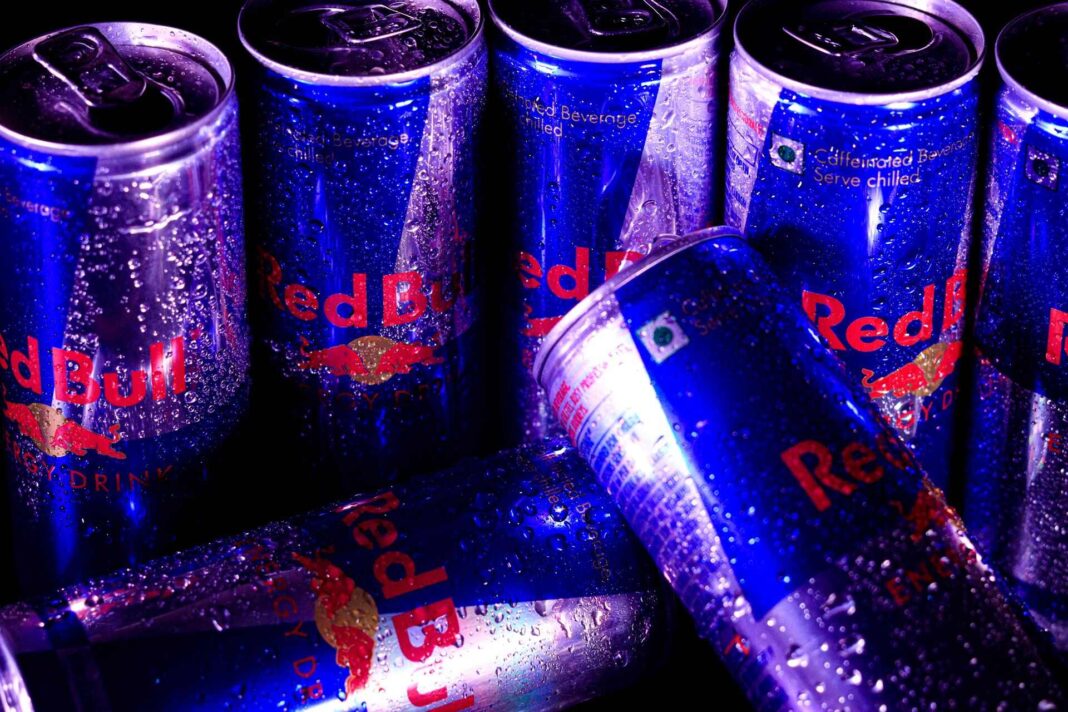
Energy drinks and stimulant-based supplements appeared far more frequently in reports of serious heart-related problems than other dietary products, according to a new analysis of U.S. Food and Drug Administration safety data. The strongest differences involved cardiac arrest, heart attacks and abnormal heart rhythms, with adults between 18 and 34 accounting for a substantial share of the reports.
The findings come from research scheduled for presentation at the American Heart Association’s Scientific Sessions 2026 in Chicago. Researchers reviewed more than 28,000 reports submitted to an FDA safety database between 2017 and 2025, comparing products containing caffeine or other stimulants with products that did not contain those ingredients.
The analysis found that cardiac arrest was reported approximately 11 times more often in connection with caffeine- and stimulant-containing products. Reports involving these products were also about 4.5 times more likely to mention a heart attack and four times more likely to include ventricular arrhythmias or heart palpitations.
The results raise questions about the cardiovascular effects of products that have become common among young adults, from high-caffeine energy drinks to pre-workout supplements. However, researchers stressed that the findings show an association in reported cases, not proof that the products caused the medical events.
What the FDA reports revealed about energy drinks and heart problems
The research team examined 28,345 adverse-event reports involving FDA-regulated foods and dietary supplements. Of those, 854 concerned products containing caffeine or other stimulants. The remaining 27,491 reports involved products without those ingredients, including soft drinks, meal replacement shakes, protein bars, smoothies and vitamins.
Beyond cardiac arrest and heart attacks, the researchers identified higher reporting rates for several other cardiovascular symptoms. Elevated heart rate appeared nearly three times as often in reports involving stimulant-containing products. Chest pain was reported 2.71 times more frequently, while fainting occurred about twice as often.
Ventricular arrhythmias were another concern. These are abnormal electrical rhythms affecting the heart’s lower chambers, which are responsible for pumping blood throughout the body. Heart palpitations, or the sensation of a racing, pounding or irregular heartbeat, were also more common in the reports involving caffeine and other stimulants.
Adults ages 18 to 34 represented approximately 45% of the reports linking stimulant-containing products with cardiovascular events. Researchers observed similar patterns among men and women.
That age distribution is particularly notable because serious cardiovascular events are not generally associated with young, otherwise healthy adults to the same extent as they are with older populations. The analysis does not establish why younger people accounted for such a large proportion of the reports, but it highlights an area researchers believe deserves further investigation.
Why caffeine levels in energy drinks deserve attention
Energy drinks have become a major part of the beverage market. Sales in the United States more than doubled over the past decade, exceeding $20 billion in 2024. Their popularity has also expanded beyond traditional energy drinks, with caffeine and stimulant ingredients appearing in pre-workout formulas and other dietary supplements.
The amount of caffeine in these products can vary considerably. According to the American Heart Association’s 2026 scientific statement on caffeine and cardiovascular disease, up to 400 milligrams of caffeine per day is generally considered safe for most adults. That amount is roughly equivalent to five 8-ounce cups of regular black coffee.
Some energy drinks, however, contain as much as three times the caffeine per fluid ounce found in brewed coffee. Certain pre-workout supplements contain more than 12 times as much per fluid ounce.
The concern is not limited to caffeine alone. The researchers included products containing several categories of stimulants, including methylxanthines and sympathomimetics. These ingredients can appear in products marketed for energy, exercise performance and weight management.
Methylxanthines include substances such as theobromine, guarana, yerba mate and extracts from green tea or coffee. Sympathomimetic ingredients include synephrine, yohimbine, ephedra, DMAA and higenamine.
Researchers classified products according to their ingredients rather than individual brand names. Their findings therefore concern categories of stimulant-containing products, not a particular manufacturer or commercial energy drink.
Why young adults may be particularly exposed
Researchers have not established why cardiovascular events appeared so frequently in reports involving adults between 18 and 34. Several possible explanations need further study.
How often people consume these products may be one factor. Someone who regularly drinks multiple energy drinks or combines them with stimulant supplements could consume substantially more caffeine than intended. The timing of consumption may also matter, particularly when products are taken before intense physical activity.
Combining stimulants with alcohol or other drugs is another potential concern identified by the researchers. Existing or undiagnosed heart conditions could also influence how an individual responds to high stimulant intake.
Sai Samayamanthula, a fourth-year medical student at the University of Virginia School of Medicine and the study’s author, said consumers may underestimate the potential risks because energy drinks are sold alongside ordinary beverages and marketed as everyday products.
People who use these products regularly may also exceed recommended caffeine limits without realizing how much they are consuming, he noted.
The researchers said the findings support more systematic monitoring of caffeine- and stimulant-containing products. They also encouraged health professionals to ask younger patients experiencing palpitations, chest pain or fainting whether they have recently consumed energy drinks or stimulant supplements.
The findings do not prove energy drinks cause heart attacks
The study has important limitations. FDA adverse-event reports are submitted voluntarily by consumers, members of the public, health professionals and manufacturers. They do not provide a complete record of every person who uses a product or experiences a medical problem after consuming it.
Researchers also cannot determine how many people consumed energy drinks or stimulant supplements without experiencing any adverse effects. Similarly, some people who experienced cardiovascular problems may never have reported them to the FDA.
As a result, the analysis cannot calculate the absolute risk of cardiac arrest or heart attack among energy drink consumers. It also cannot establish that caffeine or another stimulant directly caused the events described in the reports.
Gregory M. Marcus, M.D., M.A.S., FAHA, who chaired the American Heart Association’s 2026 scientific statement on caffeine and cardiovascular disease but was not involved in the study, said the findings raise legitimate concerns but do not demonstrate a direct cause-and-effect relationship.
Other factors may have contributed to the reported events, he explained, and further research is needed to determine whether stimulant-containing products are responsible for the heart-related problems identified in the analysis.
The findings are preliminary. The research is being presented as an abstract at the American Heart Association’s Scientific Sessions 2026, scheduled for November 6–9 in Chicago. Abstracts presented at the meeting are not peer-reviewed and should be considered preliminary until the research is published as a full manuscript in a scientific journal.
What consumers and doctors should know
The analysis does not mean that every energy drink is dangerous or that occasional caffeine consumption will lead to a heart problem. The American Heart Association’s guidance continues to identify up to 400 milligrams of caffeine per day as generally safe for most adults.
However, consumers may find it difficult to judge their total intake when caffeine comes from several sources, including coffee, energy drinks, pre-workout formulas and other supplements. Checking product labels and considering the combined amount of caffeine consumed throughout the day can help people avoid unintentionally exceeding recommended levels.
The researchers also highlighted the importance of discussing energy drinks and stimulant supplements during medical appointments, especially when younger patients report chest pain, fainting or an irregular heartbeat.
For now, the study offers a warning signal rather than a definitive answer. Its findings suggest that stimulant-containing products deserve closer safety monitoring, while larger and more detailed studies are needed to establish how these products may affect cardiovascular health.